If you are pricing 500 flyers, 5,000 catalogs, or a full run of branded packaging, knowing when to use offset printing can save money and protect print quality at the same time. For many businesses, the real question is not whether offset is better than digital in general. It is whether offset is the right production method for this specific job, quantity, deadline, and brand standard.
Offset printing remains one of the most reliable choices for commercial print because it is built for consistency at scale. When a brand needs sharp detail, accurate color, clean solids, and repeatable results across a larger run, offset often delivers the best value. But it is not always the fastest or most practical option, especially for short runs or urgent jobs.
When to Use Offset Printing
The simplest answer is this: use offset printing when quantity is high enough to spread the setup cost across the full run, and when quality consistency matters from the first piece to the last. Offset uses plates and press setup, so it has a higher starting cost than digital printing. Once production is underway, though, the cost per unit usually drops significantly.
That makes offset a strong fit for businesses ordering brochures, catalogs, magazines, inserts, folders, corporate stationery, product sheets, menu runs, labels, and folding cartons in medium to large quantities. If you are printing something that represents your brand in volume, offset usually deserves serious consideration.
The other reason to choose it is control. Offset is trusted for precise registration, stable color, and a polished finish on a wide range of paper stocks. If your printed materials need to feel premium and look uniform across multiple boxes, bundles, or locations, offset has a clear advantage.
Quantity Is Usually the Deciding Factor
For short runs, digital printing is often more cost-effective. There is less setup involved, which makes it ideal for small quantities, test batches, or jobs that need to move quickly. If you only need 50 menus, 100 invitations, or a limited set of marketing sheets, offset may add unnecessary setup cost.
Once quantities rise, the economics change. A business ordering 2,500 brochures or 10,000 flyers is in a different situation than a company printing 100 handouts for a meeting. At that point, the lower per-piece cost of offset can outweigh the initial press setup.
There is no single quantity threshold that applies to every project because paper type, size, ink coverage, finishing, and turnaround all affect pricing. Still, bulk commercial printing is where offset becomes especially competitive. If you are ordering enough volume that unit cost matters, it is the right time to compare offset closely.
Good examples of offset-friendly quantities
A restaurant printing a full seasonal menu set for several branches, a retailer producing thousands of product inserts, or a real estate company ordering branded presentation folders in bulk will often see better long-run value with offset. The same is true for companies producing annual reports, catalogs, or packaging sleeves where consistency across the entire run matters.
Quality Expectations Matter More Than Many Buyers Realize
Some jobs do not leave much room for variation. If your marketing collateral includes brand colors that need to match across brochures, folders, letterheads, and packaging, offset is often the safer option. It is especially useful when a business depends on a polished, uniform look in client-facing materials.
Offset printing is well suited for crisp typography, clean gradients, fine lines, and solid color areas that need to print smoothly. It also performs well on specialty stocks and premium paper choices where appearance and feel are part of the brand experience.
This is why offset is commonly chosen for luxury brochures, high-volume brand stationery, corporate profiles, premium product packaging, and professionally produced catalogs. If your print is meant to support trust, shelf appeal, or perceived value, print quality is not a small detail. It affects how customers judge the brand.
Offset Is a Strong Choice for Brand Color Accuracy
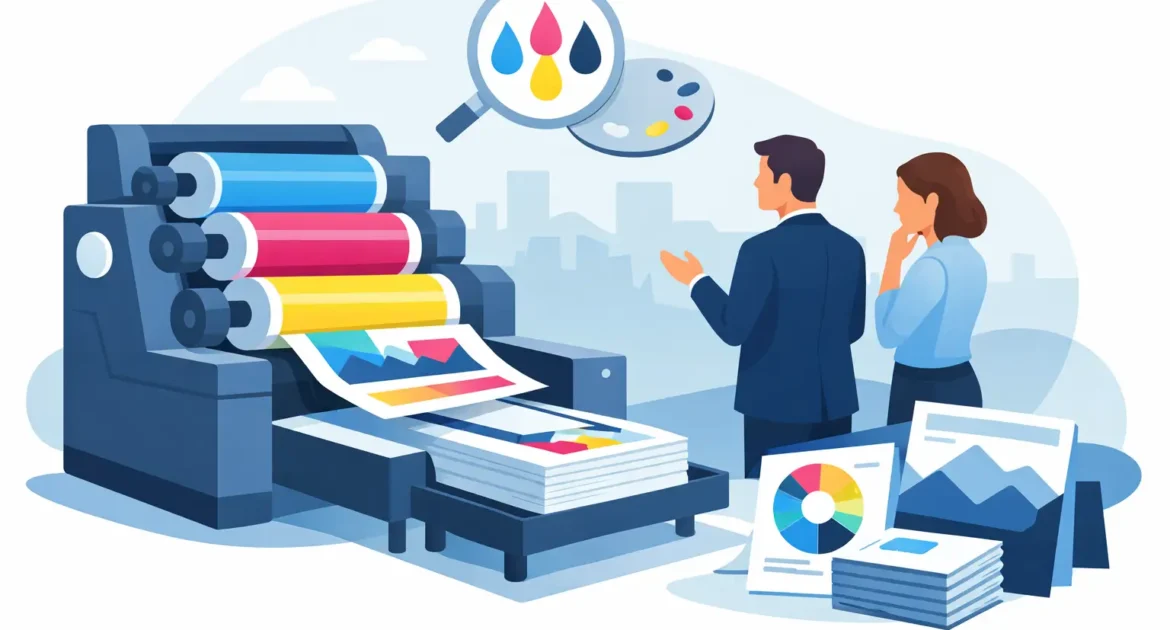
When exact color matters, offset has a practical advantage. Brands that use specific Pantone colors, controlled visual systems, or multi-piece campaigns often prefer offset because it gives better consistency over long runs.
That matters for franchise materials, retail campaigns, hospitality print sets, and packaging programs where every item should look aligned. A color shift that seems minor on one flyer can become a much bigger issue across 20,000 units or across several printed products displayed side by side.
If your business is serious about brand presentation, ask not just what looks good on one sample, but what will still look consistent after the full run is complete.
Packaging and Commercial Collateral Are Common Offset Jobs
For many businesses, the best answer to when to use offset printing comes down to the type of product being printed. Offset is often the right fit for packaging and core business collateral that need both scale and quality.
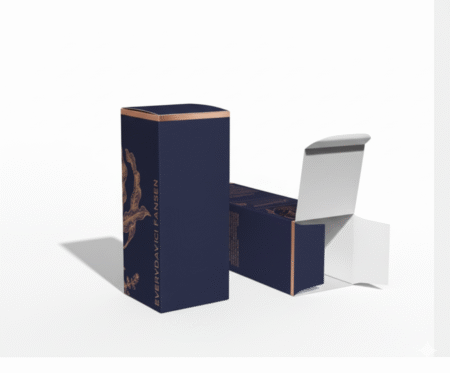
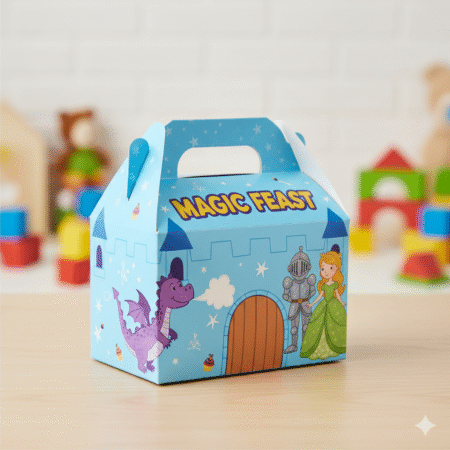
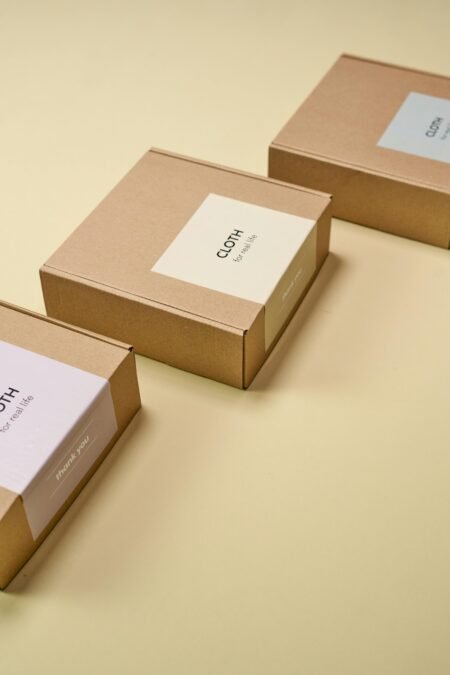
Folding cartons, product boxes, branded sleeves, inserts, bottle labels, presentation folders, catalogs, booklet covers, postcards, letterheads, and envelope runs are all common offset applications. These items are often produced in larger quantities and are expected to maintain a professional, retail-ready appearance.
Packaging in particular benefits from offset when design quality is central to the sale. If the box itself is helping a product stand out on a shelf, in a display, or in an unboxing experience, print precision becomes part of the product value.
Deadlines Can Change the Best Option
Offset is efficient for volume, but it is not always the fastest route for last-minute printing. Plate creation, press setup, and production scheduling can take more time than digital, especially for smaller rush jobs.
If your event is tomorrow, your store launch is this weekend, or you need a short reprint by end of day, digital may be the more practical choice even if offset would be more economical at scale. Fast turnaround is not just about press speed. It is about total production time.
This is where experience matters. A good print partner will not push offset just because the quantity is high. They will look at the full picture – deadline, budget, stock, finishing, and quality expectations – and recommend the method that actually fits the job.
Offset Is Not Ideal for Variable Data or Frequent Changes
Some projects are better left to digital printing no matter how strong the offset quality is. If each piece needs unique data, such as names, QR codes, serial numbers, or personalized messaging, digital is usually the better option.
The same applies when content changes often. Price lists, temporary promotions, test marketing materials, and versioned campaigns can become expensive or inefficient in offset if plates need to be updated repeatedly. Offset works best when the artwork is finalized and the run is stable.
So if your print job needs customization piece by piece or if you are still revising the content, offset may not be the smartest production choice yet.
How to Decide Without Guessing
A practical way to choose is to ask four questions. How many pieces do you need? How important is exact color and premium finish? How quickly do you need the job? And is the artwork fixed or variable?
If the quantity is substantial, the design is finalized, the brand presentation matters, and the timeline allows proper production, offset is often the better investment. If the run is small, the deadline is tight, or the content changes often, digital may make more sense.
Many businesses benefit from using both methods depending on the job. You might print a short test batch digitally, then move to offset once the design is approved and the order scales up. That approach keeps risk low while still giving you strong long-run value.
At Doha Print, that is often how we help customers think through production decisions. Not as a one-size-fits-all choice, but as a balance of speed, cost, quality, and what the printed piece needs to achieve.
The best print method is the one that fits your business goal, not just your file. If a job needs volume, precision, and a polished finish that holds up across the full run, offset is usually the right place to start the conversation.