
A customer may forget a shelf display, but they take your packaging home. For retailers, choosing the best packaging materials for retail is not simply a question of what looks good. The right material protects the product, supports your price point, carries your branding clearly, and makes the final handoff feel professional.
A luxury candle in a thin plastic bag sends the wrong signal. A small apparel item packed in an oversized rigid box adds unnecessary cost. Good retail packaging matches the product, the customer experience, and the realities of daily operations. That means considering durability, print quality, storage space, order volume, and how quickly your team needs packaging replenished.
Best Packaging Materials for Retail: Start With the Product
There is no single best material for every store. A bakery, boutique, electronics seller, and cosmetics brand all have different protection and presentation needs. Start with what your product needs to survive the journey from your counter to the customer’s home.
Lightweight products such as clothing, stationery, accessories, and small gifts often work well in paper bags, folding cartons, or branded mailers. These options provide a clean presentation without adding excessive weight or cost. For products that are fragile, stacked in transit, or sold at a premium price, corrugated boxes and rigid boxes offer much stronger protection.
Also consider the product’s surface and shape. Glass bottles, ceramic items, and skincare jars may require inserts to prevent movement. Food products need materials suitable for direct or indirect food contact, depending on the item. Apparel can benefit from tissue paper and stickers that keep the unboxing experience neat while using less material than a box.
The most effective choice is usually a system, not one item. A branded box may handle protection, while tissue paper, a label, and a thank-you card add polish without forcing you to invest in a complicated package structure.
Paper Bags: A Reliable Retail Essential
Custom paper bags remain one of the most practical choices for retail counters. They are easy to store, fast to pack, and suitable for everything from fashion and gifts to pharmacies, bookstores, and takeaway products. Kraft paper bags create a natural, approachable look, while white paper bags offer a cleaner base for full-color logos and graphic designs.
The main decision is handle type and paper weight. Twisted paper handles are cost-effective for everyday purchases. Flat handles are practical for lightweight items and food service. Rope handles create a more premium impression for boutiques, cosmetics, and gift brands. A heavier paper stock is worth considering when customers regularly carry multiple items or products with some weight.
Paper bags do have limits. They are less suitable for wet products, very heavy purchases, or items that need strong impact protection. If your retail operation experiences high foot traffic, make sure the bag size and handle strength are tested with a realistic load before committing to a large run.
Folding Cartons for Printed Shelf Appeal
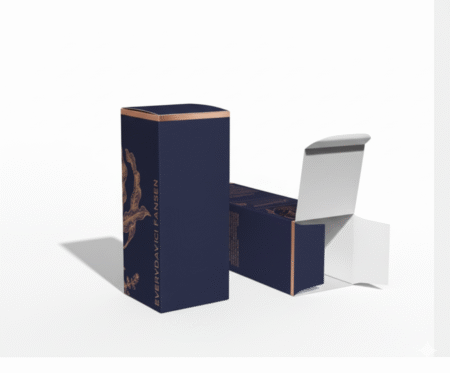
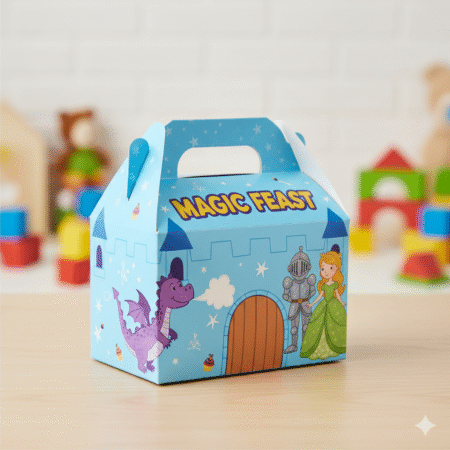
Folding cartons are the familiar retail boxes used for cosmetics, supplements, small electronics, confectionery, candles, and personal care products. Made from paperboard, they ship flat, save storage space, and can be printed with detailed product information, brand colors, instructions, and promotional messages.
Their biggest advantage is print potential. A well-designed carton can help a smaller brand look established on a crowded shelf. Digital printing is ideal for short runs, seasonal packaging, product launches, or several design variations. Offset printing becomes more cost-efficient at larger volumes, especially when color consistency is a priority across a growing retail range.
Cartons work best when the product itself is reasonably durable or when an insert is added for support. They are not the right standalone solution for heavy glass, delicate ceramics, or items likely to be dropped during delivery. In those cases, pair the carton with a protective inner structure or choose a stronger outer box.
Choose the Right Finish for the Brand
Finishes change how customers perceive the same package. Matte lamination gives packaging a refined, contemporary feel and reduces glare. Gloss lamination makes colors appear more vivid and is often a practical choice for bold retail graphics. Spot UV can highlight a logo, pattern, or product name, while foil stamping adds a premium detail for giftable or luxury items.
These finishes should support the brand rather than overwhelm it. A clean design printed sharply on quality stock often performs better than a box crowded with special effects. Balance visual impact with your budget, especially if packaging is frequently updated.
Corrugated Boxes for Protection and Delivery
Corrugated packaging is the dependable option for products that need strength. Its fluted inner layer provides cushioning and compression resistance, making it suitable for heavier products, online orders, subscription boxes, electronics, and breakable retail goods.
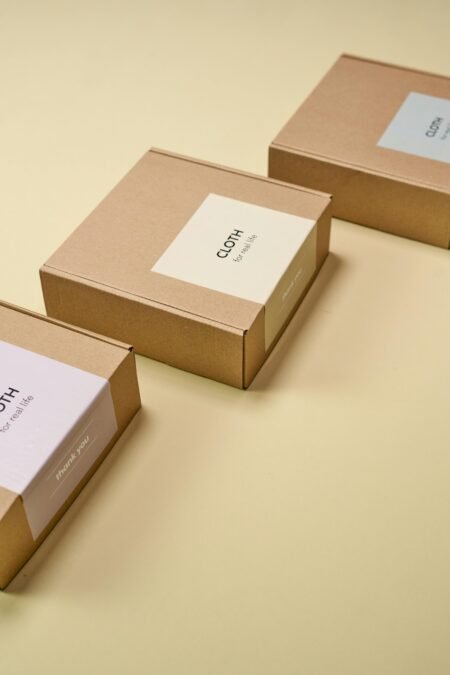
For stores that sell both in person and online, corrugated boxes can reduce the need for separate packaging systems. A branded shipping box can protect the order in transit while still delivering a strong unboxing experience. Simple one-color printing can be economical and effective, particularly when paired with branded tape, labels, or custom tissue paper.
The trade-off is appearance and space. Corrugated boxes are bulkier than folding cartons and can cost more to ship due to their size and weight. They are best used where protection is genuinely necessary, not as a default for every small item.
Rigid Boxes When Presentation Drives Value
Rigid boxes are associated with premium retail because they feel substantial in the hand. Common for jewelry, watches, high-end cosmetics, corporate gifts, specialty foods, and luxury accessories, they are typically made from thick board wrapped in printed or colored paper.
A magnetic closure, ribbon pull, foam insert, or custom divider can make the package part of the product experience. This is especially valuable for products bought as gifts or items with a higher perceived value. Customers often reuse rigid boxes, which extends brand visibility beyond the sale.
However, rigid boxes require more storage, higher unit budgets, and careful planning. They make sense when packaging supports a strong retail margin or when the box is central to the brand promise. For a lower-priced product, a well-designed folding carton may deliver a more sensible return.
Protective Inserts, Tissue, and Labels Matter
Retail packaging is often judged in small details. Tissue paper prevents scratches on clothing, handbags, and accessories while creating a more thoughtful reveal. Paper or cardboard inserts can hold products in position inside cartons. Foam inserts offer stronger protection for delicate or high-value products, although they should be selected carefully if sustainability is a key customer expectation.
Custom labels are one of the most flexible tools in a retailer’s packaging program. They can seal tissue paper, close bags, add batch details, display ingredients, or update a plain box for a limited campaign. Labels are particularly useful for startups because they make smaller packaging runs look branded without requiring a new custom box for every product change.
For food, beauty, and wellness products, labels must also remain readable and secure under real conditions. Refrigeration, oil, moisture, and frequent handling can affect adhesion and print durability. Choosing the label material should be based on where and how the product will be used, not only on its appearance at the counter.
Make Sustainability Practical, Not Performative
Many retail customers appreciate packaging that uses less material and is easier to recycle. Paper bags, paperboard cartons, recycled-content corrugated boxes, and paper-based inserts can be practical choices when designed correctly. Right-sizing the package also reduces waste and can lower shipping costs.
Still, sustainability involves trade-offs. A package that tears easily or fails to protect the product creates waste through returns and replacements. A recyclable option is only valuable if it meets the product’s performance needs. The practical approach is to remove unnecessary layers, select materials thoughtfully, and communicate clearly when a package has recyclable or reusable elements.
Build a Packaging System That Can Grow
Retail packaging should make daily work easier. Standardizing a few bag sizes, box formats, and label dimensions helps staff pack faster, keeps inventory manageable, and gives customers a consistent brand experience. You can reserve premium packaging for gift sets, high-value purchases, and special promotions while using efficient everyday options for routine sales.
Before placing a full order, test samples with actual products. Check fit, weight, closure strength, print readability, and how the packaging looks after being handled. Review your busiest sales periods too. A beautiful package that is slow to assemble may become a problem during a weekend rush or holiday campaign.
Doha Print helps retailers bring these decisions together with custom boxes, branded bags, labels, inserts, and print finishes produced to suit the product and the deadline. The strongest retail packaging is not necessarily the most expensive option. It is the one that protects what you sell, presents your brand with confidence, and makes every customer feel that their purchase was worth choosing.