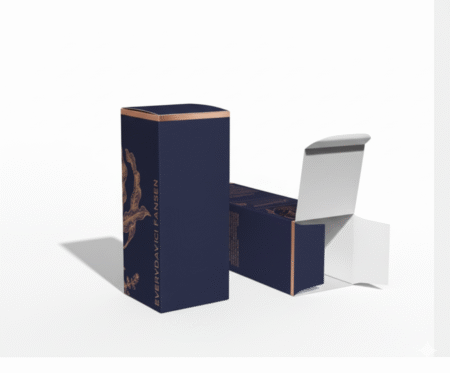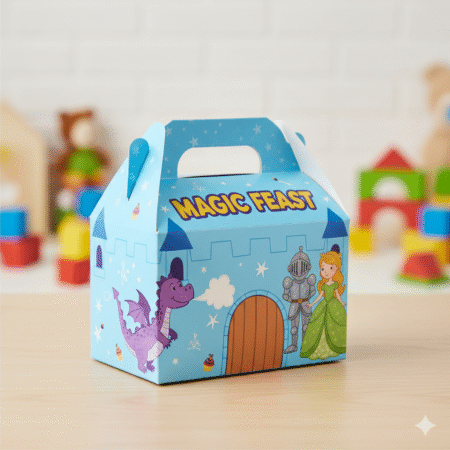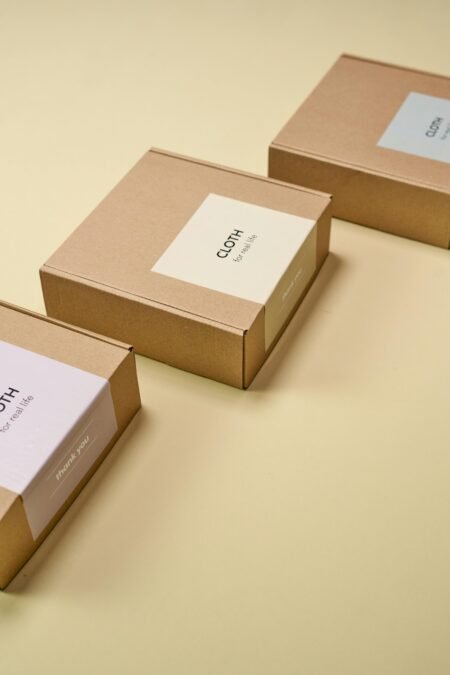
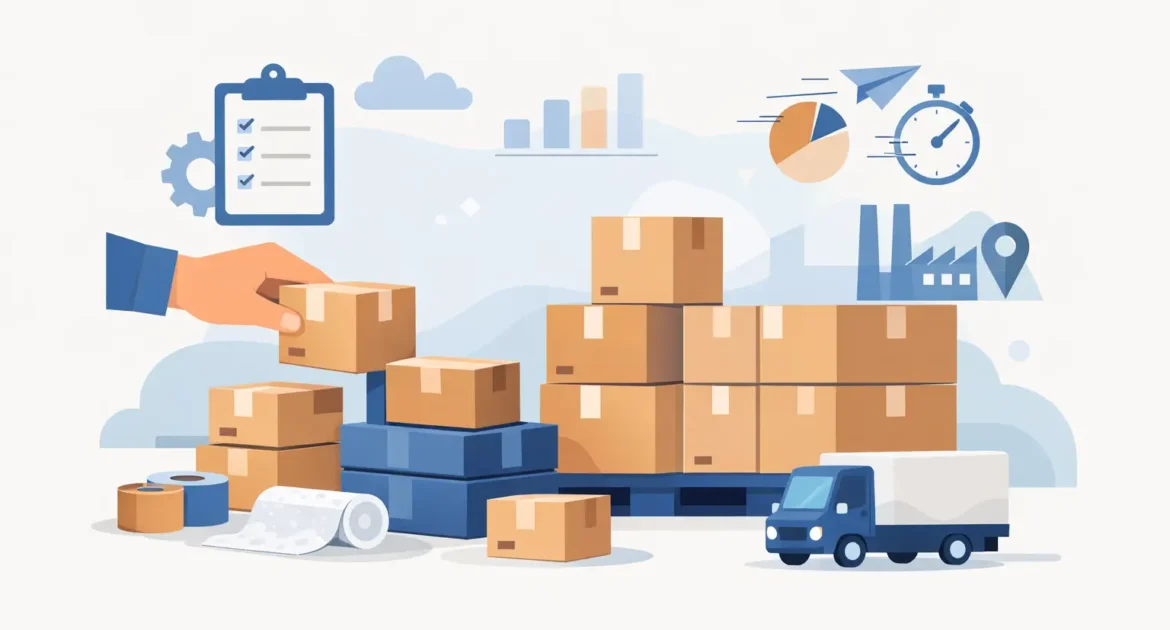
A startup is ready to launch, the product is approved, and the branding looks sharp – then the packaging supplier asks for a volume that ties up too much cash and too much storage space. That is exactly why low minimum packaging orders matter. For growing brands, seasonal sellers, restaurants, retailers, and event organizers, packaging should support the business plan, not slow it down.
Low minimums are not just a pricing feature. They change how businesses launch, test, and scale. When you can order packaging in smaller quantities, you get more control over budget, timing, and inventory. You also reduce the risk of sitting on boxes, labels, sleeves, or printed materials that no longer match your product, your offer, or your branding.
What low minimum packaging orders actually solve
The most obvious benefit is lower upfront commitment. If you are a small business or a new brand, buying thousands of units before demand is proven can create pressure from day one. Capital that should go toward marketing, operations, staffing, or product development ends up locked in storage.
Smaller order quantities give you room to move. A cafe testing new takeaway packaging, a cosmetics brand introducing a limited-edition line, or an event company preparing branded gift boxes for one campaign all need flexibility more than bulk volume. In those cases, ordering exactly what is needed is often the smarter commercial decision.
There is also a branding advantage. Businesses update logos, messaging, product details, and compliance information more often than they expect. If your packaging order is too large, even a small change can leave you with outdated stock. Low minimum packaging orders reduce that exposure and make it easier to keep presentation aligned with the current version of your brand.
Low minimum packaging orders for growing brands
Growth rarely happens in a straight line. One month demand is steady, the next month a promotion performs better than expected, and after that a product line shifts again. Packaging needs to keep up with those changes without becoming a bottleneck.
This is where low minimum packaging orders become especially useful for startups and midsize businesses. They allow a brand to launch with confidence, learn from real customer response, and reorder based on what is actually selling. That is a practical advantage, not a small one.
For many businesses, the first version of packaging is a working version, not the final one. You may refine the structure, adjust dimensions, improve finishes, or upgrade print details after customer feedback. If you commit to a huge run too early, every improvement becomes expensive. If you start with a lower minimum, changes stay manageable.
That flexibility matters for product-market fit as much as it does for presentation. A business can test two packaging styles, compare customer response, and make decisions based on evidence rather than assumption. For commercial buyers focused on efficiency, that is a much better use of budget.
The cash flow advantage most buyers care about
Packaging quality matters, but so does timing. Businesses do not operate in a vacuum. Rent, payroll, delivery costs, inventory purchases, and marketing all compete for the same budget. A large packaging order may bring down the unit price, but that does not always make it the best decision.
A lower minimum often improves cash flow because it reduces the initial spend. That gives buyers more room to invest in other parts of the business while still maintaining a professional presentation. In many cases, especially for early-stage brands or fast-moving campaigns, preserving flexibility is worth more than chasing the lowest possible cost per piece.
Of course, there is a trade-off. Smaller quantities can mean a higher unit price than very large production runs. But unit cost alone is not the full picture. If half the packaging sits unused, gets damaged in storage, or becomes outdated before it is needed, the cheaper unit price was not actually the cheaper option.
The right order size depends on how predictable your demand is, how quickly your product line changes, and how much space you have to store materials properly. Businesses that think in terms of total cost, not just quantity discounts, usually make stronger packaging decisions.
Where smaller packaging runs make the most sense
Not every packaging project needs a massive production run. In fact, many high-value jobs are better suited to smaller batches.
Restaurants and cafes often need branded packaging for menu updates, promotions, or seasonal items. Retailers may want custom boxes and labels for short-term campaigns or gift sets. Event organizers usually need precise quantities for a specific date, not excess stock left over after the event. Product-based startups need packaging that looks established without forcing large commitments before sales volume is proven.
Even established companies benefit from smaller runs when they are testing a new market, introducing a sub-brand, or preparing for a limited edition release. In those cases, low minimums support better planning and less waste.
This is also where working with a supplier that handles both printing and packaging becomes valuable. When one production partner can manage labels, inserts, sleeves, boxes, promotional materials, and branded collateral together, the process becomes simpler and more consistent. That saves time and reduces the back-and-forth that often delays launches.
What to look for beyond the minimum order number
A low minimum is useful, but it should not be the only thing you evaluate. Print quality, material consistency, lead time, design support, and pricing clarity matter just as much.
Some suppliers advertise small minimums but limit your options so heavily that the result does not reflect your brand well. Others may offer attractive entry quantities but make reordering slow or unpredictable. For business buyers, that creates operational problems quickly.
A better approach is to look for a packaging partner that can offer smaller runs without compromising production standards. You want clear communication on specs, realistic turnaround times, and practical guidance on what works best for your product. If a supplier can also support design adjustments and future scale-up, that is even better because you will not need to restart the process when your order volume grows.
At Doha Print, that service mindset is a major part of the value. Businesses that need custom packaging in lower quantities usually also need speed, reliable quality, and support that keeps the job moving. The packaging itself matters, but the production experience matters too.
Why speed and low minimums work together
Low minimum packaging orders are often connected to urgent timelines. A restaurant opening, a retail promotion, a pop-up event, or a product launch does not always leave weeks for sourcing and revisions. Buyers in these situations need packaging that looks polished and arrives on time.
That is why production capability matters. A supplier with flexible print methods, practical material options, and a responsive team can often make smaller orders far more useful. Fast turnaround is not just a convenience. It allows businesses to act on opportunities while they are still current.
There is a clear commercial benefit here. If you can order smaller quantities quickly, you can respond to market demand without overcommitting. You can restock more accurately, test more confidently, and maintain stronger control over brand presentation across multiple campaigns or product lines.
Choosing the right quantity for your next order
The best packaging order is not always the biggest one or the smallest one. It is the one that fits your sales cycle, your budget, and your timeline.
If demand is stable and your packaging will not change for a long time, a larger run may make sense. If you are launching, testing, personalizing, or managing short campaigns, lower minimums are often the more efficient choice. The key is knowing what problem the packaging needs to solve right now.
For many businesses, that problem is not just packaging supply. It is how to look professional, stay flexible, control costs, and keep operations moving without unnecessary complexity. Low minimum packaging orders answer that need well when they are backed by dependable print quality and practical support.
Good packaging should help your brand move forward with confidence. If your order quantity gives you room to test, adapt, and grow, it is doing more than protecting a product – it is supporting better business decisions.