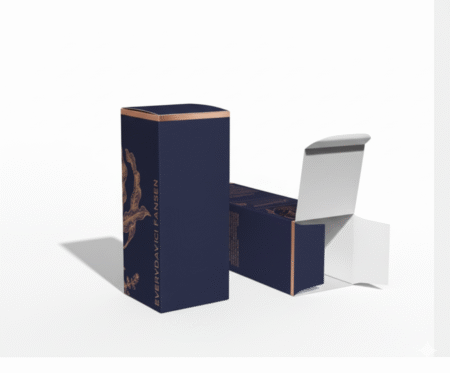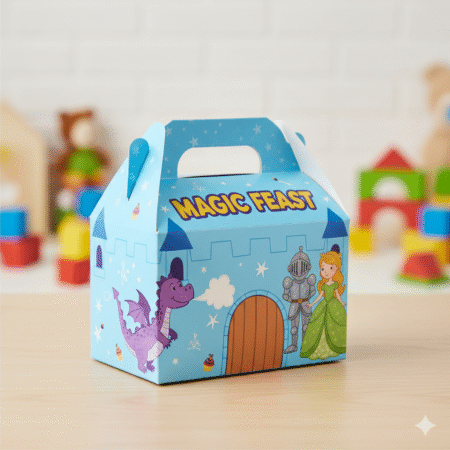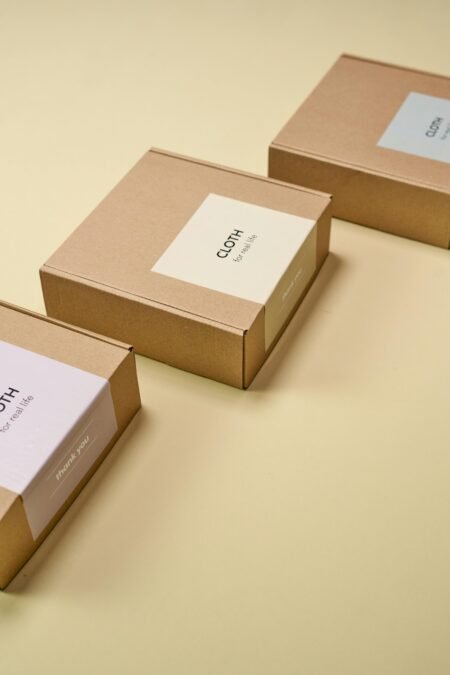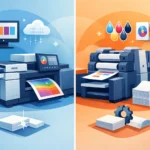
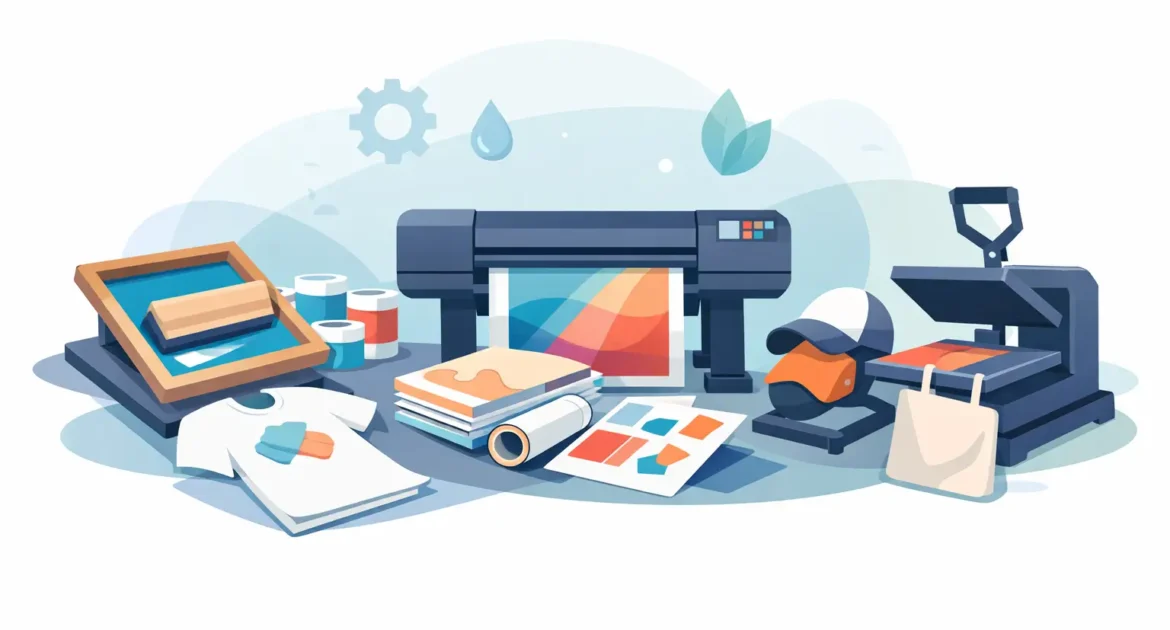
A menu that looks premium but smudges after a few uses, a retail box with colors that miss the brand standard, or event signage that arrives too late can all create the wrong impression. Knowing how to choose a printing method helps you avoid those costly mismatches before production begins.
The best option is rarely the most advanced process or the lowest quote on paper. It is the method that fits your quantity, material, artwork, finish expectations, budget, and deadline. A small run of personalized invitations needs a different approach than 10,000 product labels, branded uniforms, or a storefront banner.
Start With the Job, Not the Machine
Before selecting a printing process, define what the finished item needs to do. Is it meant to introduce your business, protect a product, guide customers through a store, or serve as a long-lasting promotional item? Its purpose affects the material, size, durability, and print finish you should choose.
A business card is handled often and benefits from crisp text, accurate colors, and a quality paper stock. A restaurant menu may need lamination or water-resistant material. A shipping label needs the correct adhesive and legible variable information. A trade show backdrop must remain visible from a distance and travel easily.
Share the intended use with your print partner early. This prevents a common mistake: choosing a process based only on price, then discovering the finished product is not suitable for its environment or audience.
How to Choose a Printing Method by Quantity
Print quantity has a major effect on cost and turnaround time. Some methods are built for short runs and fast changes, while others become more economical when volumes increase.
Digital Printing for Short Runs and Fast Changes
Digital printing is usually the practical choice for small to medium quantities, urgent jobs, and projects that require personalized content. It works well for business cards, flyers, brochures, catalogs, menus, invitations, stickers, and many packaging applications.
Because there are no traditional printing plates to set up, digital printing can move quickly from approved artwork to production. It is also ideal for variable data, such as certificates with individual names, direct mail pieces with different addresses, or event badges with unique QR codes.
For a startup ordering 100 business cards or a retailer testing a new product label, digital printing offers flexibility without a high minimum order. The trade-off is that very large quantities may cost more per piece than offset printing.
Offset Printing for Larger Volume Orders
Offset printing is a strong option when you need high-volume, consistent commercial print. It is commonly used for larger runs of brochures, stationery, magazines, folders, catalogs, packaging inserts, and marketing collateral.
The setup takes longer because plates are prepared before printing begins. Once production is underway, however, offset can deliver excellent color consistency and a lower unit cost on larger orders. It is especially useful when a brand has strict color standards or requires spot colors for a signature shade.
If you need thousands of identical pieces and have enough lead time, offset printing may provide the best value. If you need a smaller quantity tomorrow, digital printing is likely the smarter choice.
Match the Method to the Material
Paper is only one part of commercial print. Your project may require fabric, acrylic, wood, metal, glass, ceramic, vinyl, foam board, corrugated board, or another specialty surface. Not every printing method performs equally well on every substrate.
Large-Format Printing for Signs and Displays
Large-format printing is designed for visual impact at scale. It is used for banners, window graphics, wall decals, posters, vehicle graphics, roll-up stands, directional signage, and trade show displays.
Viewing distance matters here. A poster read from two feet away can include smaller details than a storefront sign viewed from across a parking area. Your artwork, material, and finishing requirements should all be selected around where the display will be placed and how long it needs to last.
Indoor promotional graphics may prioritize sharp color and a refined finish. Outdoor signs need materials and inks that can withstand sun, moisture, handling, and installation conditions.
UV Printing for Rigid and Specialty Surfaces
UV printing cures ink instantly with ultraviolet light, making it a practical solution for many rigid or non-porous materials. It can be used for branded acrylic displays, PVC boards, wood items, glass, metal, phone cases, plaques, and promotional products.
This method is a good fit when the item itself is part of the presentation. For example, a raised logo on an acrylic sign or custom artwork printed directly on a gift box can create a more premium result than applying a standard paper label.
Always discuss the surface finish before ordering. Texture, coating, shape, and material color can affect adhesion, color appearance, and the final look.
Screen Printing, DTF, and Sublimation for Apparel
Apparel printing requires a different decision process because fabric type, design complexity, and wash durability all matter.
Screen printing is highly effective for larger quantities of garments with bold, limited-color artwork. It produces vibrant color and durable results, making it a reliable choice for staff uniforms, event T-shirts, promotional clothing, and team apparel. The setup involved means it is generally more cost-effective as order quantities increase.
DTF printing is well suited to detailed, full-color artwork and smaller apparel runs. It can reproduce gradients and fine elements on a range of fabrics, making it useful for custom merchandise, short promotional campaigns, and designs that would be costly to separate into multiple screen-print colors.
Sublimation is best for polyester fabrics and specially coated products. Because the color becomes part of the material rather than sitting on top of it, it is popular for sportswear, mugs, photo gifts, and branded items where full-color coverage is needed. It is not the right choice for every cotton garment, so material selection comes first.
Laser Engraving for Permanent Detail
Laser engraving is not an ink-based print process, but it is often the strongest option for permanent personalization. It works well for selected wood, metal, leather, acrylic, and gift items, including nameplates, awards, corporate gifts, and branded accessories.
Engraving provides a refined, durable mark that will not peel like a surface print can under repeated use. Its limitation is color: the result depends on the material and engraving reaction, rather than a full-color design file.
Consider Color, Artwork, and Finish Early
A good print result begins with production-ready artwork. Low-resolution logos, screenshots, and files pulled from social media may look acceptable on a phone but appear blurry when printed. For detailed commercial work, use a high-resolution file and, where possible, vector artwork for logos and line graphics.
Color expectations also need to be realistic. Screens display color using light, while printers use inks on physical materials. The paper or surface can change how a color appears. Uncoated paper creates a softer, more natural look, while coated stock often produces sharper, more vivid color.
For brand-sensitive jobs, ask about proofing and color matching before full production. This is particularly valuable for packaging, franchise materials, corporate stationery, and any project where multiple print pieces need to look consistent.
Finishing can make an ordinary piece feel more intentional. Lamination adds protection to menus, cards, and covers. Matte finishes feel understated and premium, while gloss can make images and colors stand out. Foil, embossing, die-cutting, and specialty coatings can add impact, but they should support the purpose of the piece rather than distract from it.
Balance Speed, Budget, and Quality
Every printing project involves trade-offs. Fast turnaround may narrow material or finishing choices. A low unit price may require a higher quantity. A premium finish can improve perceived value, but it should make commercial sense for the product and audience.
The clearest way to request a quote is to provide the final size, quantity, material preference, number of print sides, color requirements, finishing details, delivery deadline, and artwork status. If you are unsure about a specification, explain the goal instead. For example, say you need a menu that can be wiped clean, packaging that feels high-end, or labels that remain readable in cold storage.
A capable print team can then recommend a process that protects your timeline and budget without compromising the result. At Doha Print, that practical guidance is part of producing work that looks polished, performs properly, and represents your brand with confidence.
The right printing method should make the ordering process simpler, not more technical. Bring the purpose, quantity, deadline, and desired impression to the conversation, and let those details guide a print solution built for your project.