A plain mailer box can look inexpensive until you add custom sizing, branded printing, inserts, and a short deadline. That is why so many business owners ask, how much does packaging cost, only to find the answer changes fast depending on the product, quantity, and finish.
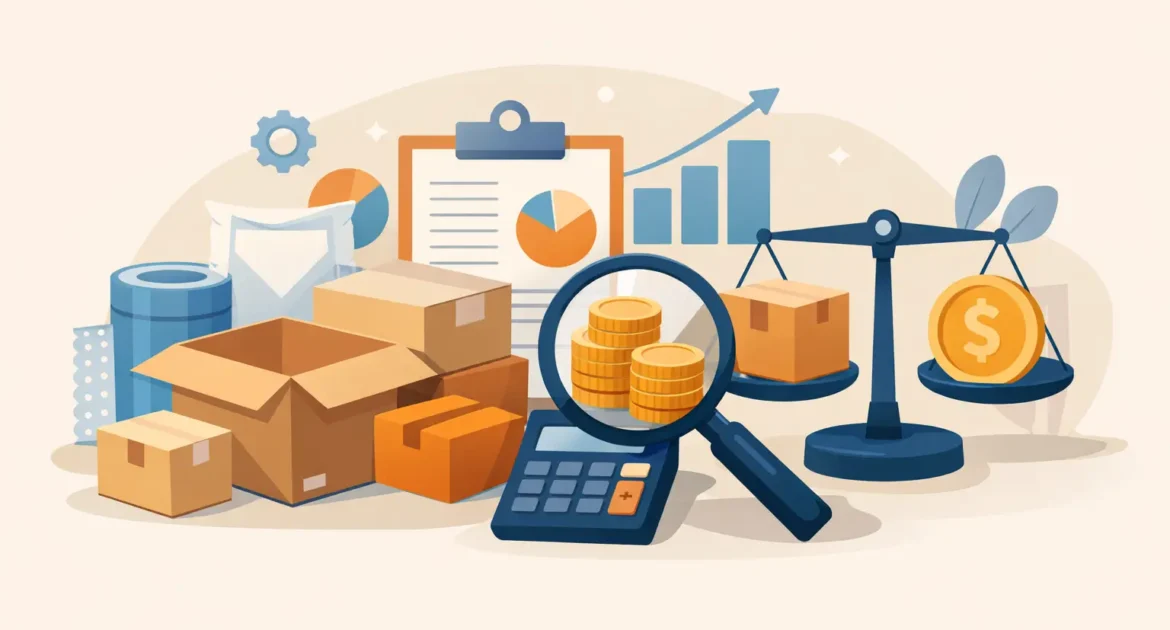
For most businesses, packaging cost is not just the price of a box. It is the combined cost of materials, printing, design, setup, finishing, and production volume. If you are launching a product, preparing for an event, or restocking retail packaging, understanding those cost drivers helps you avoid surprises and make better decisions from the start.
How much does packaging cost in real terms?
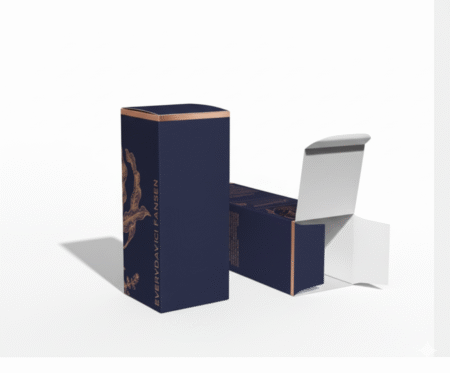
Packaging can range from a few cents per unit for simple labels or plain sleeves to several dollars per unit for rigid boxes, specialty finishes, and low-volume custom work. A basic packaging job with straightforward printing and standard materials usually stays more affordable. Once you move into premium textures, foil stamping, embossing, inserts, or highly customized structures, the cost climbs.
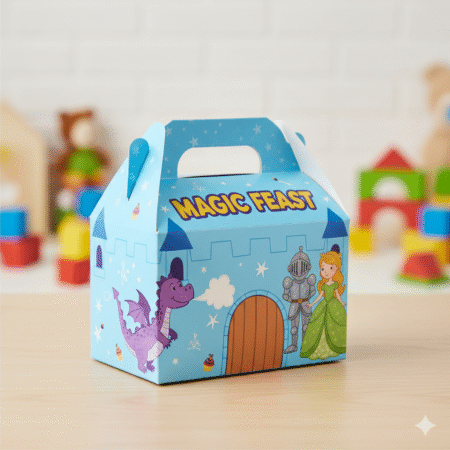
This is why two businesses ordering packaging for products of similar size can get very different quotes. A restaurant ordering printed takeaway sleeves is working with a very different cost structure than a cosmetics brand ordering luxury gift boxes. The purpose of the packaging matters just as much as the size.
If you are budgeting for a project, think in terms of cost per unit and total order value together. A lower per-unit rate on a large order may still mean a bigger overall spend, while a small urgent order may look manageable at first but cost more per piece.
What affects packaging cost the most?
The biggest factor is usually the type of packaging you need. Folding cartons, corrugated boxes, paper bags, labels, sleeves, pouches, and rigid boxes all have different material and production costs. A simple sticker label is naturally less expensive to produce than a custom printed box with inserts.
Material choice also has a direct impact. Thicker boards, premium paper stocks, laminated surfaces, kraft finishes, food-safe materials, and specialty substrates all change the price. In many cases, customers pay more for durability, shelf impact, or a more premium feel. That can be worth it, but only if it supports the product and brand position.
Printing method matters too. Digital printing is often ideal for short runs, quick turnarounds, and lower setup costs. Offset printing can be more cost-effective for larger quantities, especially when color consistency matters across a big order. Specialty print processes add another layer of cost but can make a strong difference in presentation.
Size and structure are another major variable. Larger packaging uses more material. Custom die-cut shapes, windows, compartments, and inserts also increase both setup and production complexity. If your product can fit a standard structure without compromising presentation, that can reduce cost significantly.
Quantity changes everything
If you want the shortest answer to how much does packaging cost, this is it: volume has a major effect on price.
Low-quantity orders usually cost more per unit because setup, design adjustment, cutting, and press preparation are spread across fewer pieces. High-volume orders typically bring the per-piece price down. That does not mean you should always order more. Overordering ties up cash and storage space, and outdated packaging becomes expensive waste if your branding or product details change.
The right quantity depends on your sales cycle, storage capacity, and how often your packaging needs updating. Startups often benefit from smaller, flexible runs first, even if the per-unit price is slightly higher. Established brands with steady demand often save more with larger planned production.
Design choices that raise or reduce the cost
Good packaging design does more than look attractive. It controls production efficiency. A clean, practical design can keep costs in check without making the packaging feel cheap.
Full-color printing across every surface will usually cost more than a focused design with strategic brand placement. Foil, spot UV, embossing, debossing, soft-touch lamination, and custom inserts all add to the budget. These upgrades can be effective for premium products, gifting, or retail shelf presence, but they are not necessary for every packaging project.
There is also a hidden cost in unclear artwork. Files that need correction, resizing, or structural redesign can delay production and increase prepress time. Working with a print partner that can guide the design process early often saves money because issues are fixed before they reach the press.
Packaging type by use case
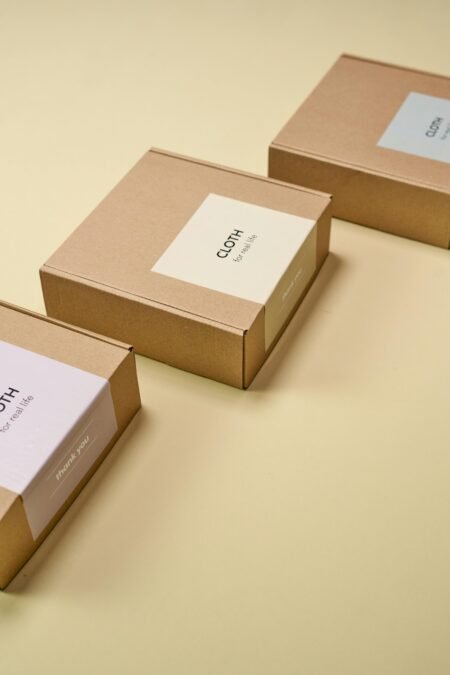
For shipping, cost usually centers on protection, material strength, and size efficiency. Corrugated boxes and mailers need to hold up in transit, so the focus is less on luxury and more on durability and branding where it counts.
For retail, appearance matters more. Product boxes, hanging cards, sleeves, and labels need to support shelf visibility and brand recognition. Here, printing quality and finish often matter as much as function.
For food and beverage, packaging costs are shaped by hygiene, grease resistance, food-safe materials, and practical handling. A takeaway box, cup sleeve, or menu label has to perform well under real conditions, not just look good in a mockup.
For events and gifting, presentation usually drives the decision. Invitation boxes, branded gift packaging, and promotional kits often include inserts, custom shapes, or decorative finishes. These jobs tend to cost more because they are built to impress.
Turnaround time can increase the price
One of the most overlooked factors in packaging pricing is urgency. If you need packaging on a tight deadline, the cost may rise because production has to be prioritized, materials may need to be sourced quickly, and scheduling becomes more demanding.
This does not mean fast service is always expensive. Some packaging workflows are efficient enough to support quick turnaround without a major premium, especially for digitally printed short runs. But if your project is complex and highly customized, rushing it usually adds cost. Planning ahead gives you more control over both budget and finish options.
What businesses should ask before requesting a quote
To get accurate pricing, you need more than a rough idea. The more clearly you define the packaging, the more useful the quote will be.
Start with the product dimensions, intended quantity, packaging type, and how the packaging will be used. Then consider whether you need custom printing, inserts, special finishes, or food-safe materials. It also helps to know your deadline and whether you are ordering a test batch or a full production run.
A vague request usually leads to a vague estimate. A detailed request leads to faster pricing and fewer revisions. That matters when you are trying to launch on time or compare options across a realistic budget.
How to keep packaging costs under control
The best way to reduce packaging cost is not to strip away quality blindly. It is to match the packaging to the job.
If your product ships directly to customers, spend where protection matters and avoid decorative extras that add little value. If your packaging sits on a retail shelf, invest in print quality and structure where it supports conversion. If you are testing a new product, avoid overcommitting to large quantities before demand is proven.
It also helps to standardize where possible. Using repeatable sizes, practical materials, and efficient print specs can lower production cost over time. Many businesses save money simply by simplifying the structure or choosing a finish that delivers a polished look without multiple specialty processes.
Working with one reliable supplier can also make a difference. When your printer understands your brand, timeline, and packaging goals, it becomes easier to recommend cost-effective options without compromising presentation. That is especially valuable for businesses managing regular orders, seasonal campaigns, or multiple product lines.
At Doha Print, this is where practical support matters most. A packaging job should not feel complicated just because it is custom.
The right packaging cost is the one that fits the business goal
There is no universal number that answers how much does packaging cost because the real answer depends on what the packaging needs to do. Protection, presentation, speed, quantity, and print quality all shape the final price.
The smartest approach is to treat packaging as a business decision, not just a production expense. When the packaging fits your product, your audience, and your budget, it works harder for every sale you make. If you are planning your next order, start with the outcome you need and build the packaging around that.