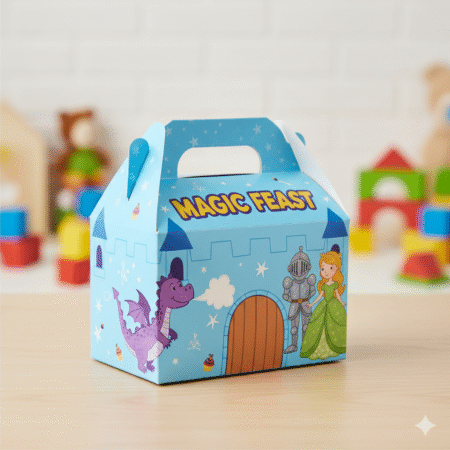

A customer may forget a digital ad within seconds, but they will hold your packaging, open it, carry it, and often place it where others can see it. That is why custom packaging solutions are more than a protective layer around a product. They are a practical part of how your brand is recognized, trusted, and remembered.
For retailers, restaurants, startups, event teams, and growing businesses, the right box, bag, sleeve, label, or insert can make an ordinary delivery feel organized and professional. The wrong choice can create the opposite impression: damaged products, unclear messaging, inconsistent colors, and packaging that does not match the quality of what is inside.
Why Packaging Has a Direct Business Impact
Packaging works at the point where a customer forms a final opinion about a purchase. A well-printed food box supports confidence in a restaurant. A branded shopping bag gives a retail customer something worth carrying. A carefully labeled product package makes a startup look prepared for shelves, deliveries, and repeat orders.
The value is not limited to appearance. Packaging also affects product protection, packing speed, storage, shipping costs, and the clarity of customer information. When these details are handled correctly, your operations feel more reliable and your brand presentation stays consistent.
For smaller businesses, this can be especially valuable. You do not need a massive marketing budget to create a polished customer experience. A strong logo placement, accurate brand colors, readable labels, and packaging sized for your actual product can make a noticeable difference from the first order onward.
Start With the Product, Not the Print Design
The best packaging projects begin with practical questions. What needs to fit inside? How fragile or heavy is it? Will it be displayed on a shelf, handed over a counter, delivered locally, or shipped farther away? The answers determine the material, dimensions, closure style, and print method.
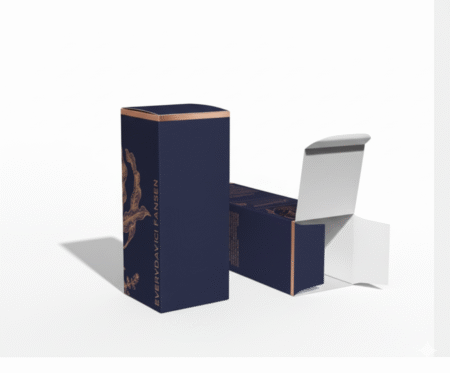
A bakery box, for example, needs food-safe material, enough structure to protect the contents, and an easy opening experience. A cosmetics brand may need cartons that look premium on display while leaving space for ingredients, directions, and required product details. A clothing retailer may prioritize branded bags and tissue paper that support a clean unboxing experience without adding unnecessary bulk.
Choosing a package only because it looks attractive can lead to wasted money. An oversized box increases material and shipping costs. A lightweight bag may not suit heavier products. A highly detailed design may not reproduce clearly on a textured surface. Good packaging balances visual impact with how the product is actually handled.
Choose Materials That Match the Job
Paperboard cartons, corrugated boxes, kraft bags, rigid gift boxes, paper cups, food containers, stickers, and product sleeves all serve different purposes. There is no single best option for every business.
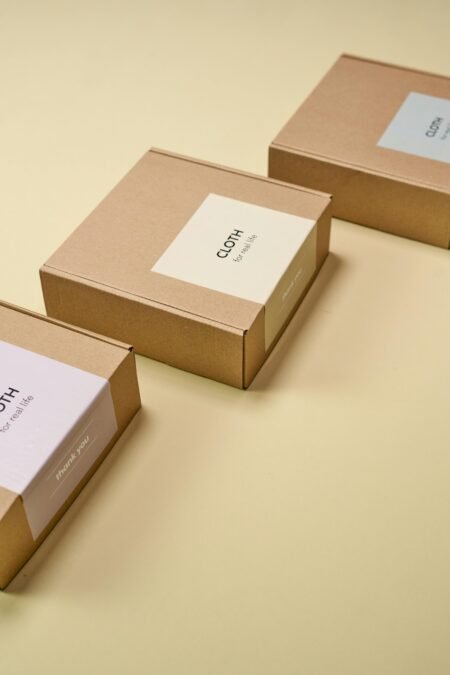
Paperboard is often a smart choice for lightweight retail products, cosmetics, accessories, and food items that need clean branding. Corrugated packaging offers more protection for shipping and heavier products. Kraft materials can give a natural, simple appearance that suits handmade goods, cafés, and environmentally conscious brands. Rigid boxes create a more premium feel for gifts, luxury items, and presentation-focused products.
The right choice depends on budget, product weight, intended use, and order quantity. A practical printing partner should help you compare these options before production begins, especially if you are ordering packaging for the first time.
Make Your Branding Easy to Recognize
Packaging does not need to be crowded to be effective. In many cases, a clear logo, two or three brand colors, a readable typeface, and a focused message are more memorable than a design filled with competing elements.
Think about what a customer should notice first. For some brands, it is the logo. For others, it may be the product name, a signature color, or a short message that reflects the brand personality. Restaurants may need their ordering details or social media handle to be easy to find. Retailers may want customers to recognize the bag from across a store or mall.
Consistency matters across every printed item. If your product box uses one shade of blue while your labels, menu cards, and shopping bags use another, the brand can feel less coordinated. Keeping design files, color references, and logo versions organized makes repeat orders faster and helps prevent avoidable production errors.
Use Labels and Inserts to Add Flexibility
Not every detail needs to be printed directly on a box. Custom labels are a useful option for product names, flavors, sizes, expiry information, barcodes, promotions, and seasonal changes. They allow businesses to use a standard package while adapting it for different product lines.
Printed inserts can also add value without changing the main packaging. A thank-you card, care instruction sheet, discount card, or product guide gives customers useful information after opening the package. For online orders, this small touch can make a brand feel more personal and encourage a second purchase.
This approach is especially helpful for startups testing new products. Rather than committing immediately to a large run of highly specialized boxes, you can begin with versatile packaging and use labels or inserts to differentiate each variation.
Plan for Print Quality Before Production
A good packaging concept can lose impact if the artwork is not prepared correctly. Low-resolution images, missing bleed areas, incorrect dimensions, and color mismatches are common causes of delays and disappointing results.
Before approving production, confirm the final size of the packaging, the placement of folds and cut lines, and the safe area for important text. Keep barcodes, contact details, and key messaging away from edges, folds, and seams. If a design includes a logo or product image, use high-resolution artwork that will remain sharp at print size.
Color deserves particular attention. Screen colors do not always match printed colors exactly, particularly when moving from a digital file to paper, cardboard, or textured kraft stock. If color accuracy is central to your brand, ask for guidance on the most suitable process and material. A sample or proof can be worthwhile for a major launch, large order, or packaging that will be used across multiple locations.
Custom Packaging Solutions for Fast-Moving Businesses
Speed matters when you are preparing for an event, opening a new location, launching a product, or restocking after an unexpected surge in orders. However, fast turnaround should not mean accepting weak materials, unclear printing, or rushed artwork.
The most efficient projects are planned with clear product specifications, finalized artwork, realistic quantities, and an agreed delivery deadline. This reduces back-and-forth and gives the production team the information needed to recommend the right solution quickly.
At Doha Print, businesses can bring packaging, labels, printed inserts, promotional materials, and other branded print requirements under one production partner. That can simplify coordination when your launch includes boxes, bags, flyers, menus, event signage, or branded giveaways. It also helps keep your visual identity consistent across customer touchpoints.
Low minimum order options can be useful when testing a new product, preparing limited-edition packaging, or serving a smaller event. Larger runs may reduce the unit cost, but ordering more than you can store or use can create unnecessary expense. The right quantity is the one that supports your current sales cycle while leaving room for updates as your brand grows.
Common Packaging Mistakes Worth Avoiding
The first mistake is treating packaging as an afterthought. If the product is ready but the packaging has not been planned, businesses often rush into generic sizes, limited design choices, and avoidable delays.
The second is prioritizing decoration over usability. Foil accents, specialty finishes, and premium materials can look excellent, but only when they support the product and fit the budget. A simpler package with clear printing and solid construction is often more effective than an expensive design that is difficult to pack, ship, or reorder.
The third is forgetting the customer journey. Consider how the package looks when it is handed over, opened, photographed, stored, or disposed of. A package that is easy to carry and easy to open creates a better experience than one that merely looks good in a mockup.
Finally, avoid changing core branding every time you reorder. Seasonal messages and limited campaigns are useful, but your primary logo, colors, and visual style should remain recognizable. Consistency is what turns packaging from a one-time print item into a brand asset.
When your product deserves to be noticed, choose packaging that protects it, presents it clearly, and gives customers one more reason to trust the brand behind it.