
A restaurant menu arrives with muted food photos, a trade show banner has pixelated text, or a product box feels thin in a customer’s hands. These are not small production details. They directly shape how people judge a business. This commercial printing services guide helps you make smarter choices before a job goes to press, so your materials look consistent, arrive on time, and support the impression your brand intends to make.
Print is often one of the last steps before a campaign, opening, event, or product launch. That is exactly why it deserves early attention. The right print partner can turn an approved design into polished business cards, packaging, signage, and promotional materials without unnecessary delays or surprise costs.
Start With the Job, Not the Printing Method
The best printing method depends on what you need the finished piece to do. A short-run set of event flyers has different requirements than 20,000 product labels. A luxury presentation folder needs a different finish than a weather-resistant outdoor sign.
Before requesting a quote, define the purpose, quantity, final size, deadline, and where the item will be used. Also consider how long it needs to last. A temporary promotion may only need a cost-effective paper stock, while retail packaging must withstand handling, shipping, and shelf display.
This early clarity prevents common problems such as choosing a delicate finish for a high-contact item or ordering a small format that cannot be read from a distance. It also helps your printer recommend the most efficient production route instead of simply producing the first specification submitted.
Commercial Printing Services Guide: Choose the Right Process
Most commercial print projects fall into a few core production methods. Each has a place, and the right choice usually comes down to quantity, material, color requirements, and turnaround time.
Digital printing for speed and flexible quantities
Digital printing is a practical choice for short runs, variable data, and urgent projects. It works well for business cards, brochures, flyers, postcards, menus, certificates, presentation materials, and many personalized campaigns.
Because there are no printing plates to prepare, digital printing can move quickly from approved artwork to production. It is especially useful when you need multiple versions of the same item, such as direct-mail cards with different names, event badges, or location-specific offers.
The trade-off is unit cost. Digital printing is usually more economical for lower quantities, while the cost per piece may be higher than offset printing on very large orders.
Offset printing for larger, color-critical runs
Offset printing is built for volume and dependable consistency. It is commonly used for catalogs, company stationery, magazines, high-quantity flyers, folders, and product inserts. Once the setup is complete, it delivers excellent color control and cost efficiency across larger quantities.
For brand managers with strict color standards, offset can be a strong option, particularly when matching specific spot colors is important. It does require more setup time, so it is not always the right answer for a next-day request or a very small order.
Large-format printing for visibility
Large-format printing is for materials meant to be seen from a distance: storefront graphics, banners, roll-up displays, wall graphics, window decals, directional signs, and exhibition panels. The decision here is not just about size. Viewing distance, installation surface, lighting, and whether the display will be used indoors or outdoors all affect the recommended material.
A banner designed for a busy outdoor location needs more than an enlarged logo. It needs clear hierarchy, high-resolution images, adequate contrast, and type large enough to read quickly. Ask for guidance on finishing options such as eyelets, hemming, mounting, or lamination so the final display is ready to install.
Specialty printing for products and branded merchandise
Screen printing, UV printing, sublimation, DTF printing, and laser engraving expand what a business can brand. These services support apparel, mugs, gifts, promotional products, rigid materials, labels, and custom items that standard paper printing cannot cover.
The right option depends heavily on the substrate. UV printing can create sharp, durable graphics on many rigid surfaces. Sublimation is ideal for compatible coated products and fabric applications. DTF printing offers flexibility for detailed garment designs, while laser engraving creates a permanent, premium mark on selected materials. A sample or material test is often worthwhile when the item will represent a major campaign or retail product.
Paper, Materials, and Finishes Carry Your Brand Message
Customers notice texture and weight before they read the text. A thin, glossy flyer may be exactly right for a short-term promotion, but it can undermine a premium service brochure. Stock selection should match both the message and the practical use of the piece.
For everyday marketing materials, coated paper provides crisp images and strong color. Uncoated paper is easier to write on and can create a more natural, refined look for stationery, appointment cards, and certain premium brands. Heavier stocks add substance to business cards, postcards, folders, and invitations, but they may not fold as cleanly without scoring.
Finishes add another layer of distinction. Matte lamination offers a smooth, modern appearance and helps protect high-contact items. Gloss lamination makes colors appear more vivid. Spot UV can highlight a logo or key graphic, while foil and embossing add impact to packaging, invitations, and luxury presentations. These details should be used with restraint. A finish is most effective when it supports the design rather than competing with it.
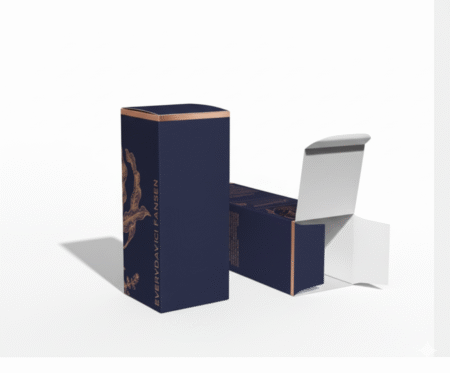
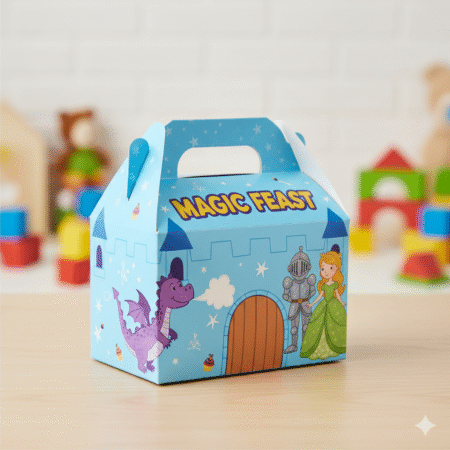
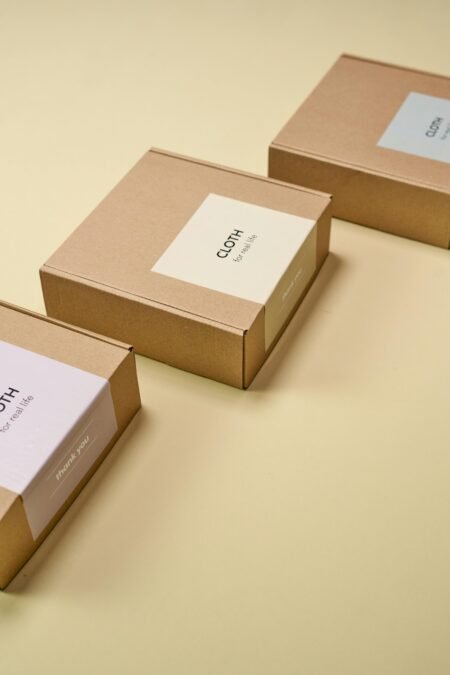
For packaging, material selection is even more important. A box must protect its contents, fit the product properly, and still present the brand well at the point of sale. Consider how it will be stored, stacked, opened, transported, and photographed. Attractive packaging that fails during delivery is not a successful packaging solution.
Prepare Artwork That Prints as Intended
A strong design can still produce disappointing results if the production file is not prepared correctly. Print-ready artwork should use the correct final dimensions, include bleed where needed, and keep critical text and logos within a safe area away from trim lines.
Images should be high resolution at their final printed size. A photo that looks sharp on a phone or laptop may become soft when enlarged for a brochure or banner. Colors should be built for print production, typically using CMYK values unless a specific spot-color process has been requested.
Fonts, logos, and fine lines deserve extra attention. Small type may fill in on textured stock, very thin lines can disappear, and dark backgrounds may show scratches more easily on certain finishes. If you are unsure, send the design early and ask for a pre-production review. Design support can save considerably more time than correcting a completed order.
Plan Around Deadlines Without Sacrificing Quality
Fast printing is valuable, but speed works best when decisions are made early. The biggest delays usually come from late artwork, unclear specifications, repeated revisions, or waiting for approval after a proof is ready.
Build time into your schedule for design approval, proofing, production, finishing, and delivery or installation. If your deadline is fixed, such as an exhibition opening or a product launch, share it at the start. A reliable printer can then advise which materials, quantities, and finishing choices are realistic within that window.
Urgent service is ideal for last-minute flyers, menus, business cards, signs, and event materials, but not every complex project can be rushed without compromise. Custom boxes, special finishes, unusual materials, and large-volume offset work may require more lead time. The practical question is not simply, “Can this be printed fast?” It is, “What is the best version of this project that can be produced by the deadline?”
Work With One Partner for Consistency
Coordinating separate suppliers for stationery, labels, packaging, signs, and promotional items can create mismatched colors, missed deadlines, and unnecessary back-and-forth. A full-service provider makes it easier to keep the same visual standards across every customer touchpoint.
For example, a new café may need menus, window graphics, takeaway packaging, loyalty cards, staff uniforms, and opening-day banners. Managing those items through one experienced production team creates a more coordinated result and simplifies communication. Doha Print supports this kind of end-to-end production with options for everyday business printing, custom packaging, large-format displays, and branded merchandise.
When comparing printing providers, look beyond the initial price. Ask about turnaround times, proofing, minimum order quantities, material choices, finishing capabilities, and whether the team can flag potential artwork issues before production. Competitive pricing matters, but a low quote loses value if the final result needs to be reprinted.
Your printed materials are often the physical proof of your standards. Bring your deadline, goals, and artwork to the conversation early, then choose production choices that make your brand look prepared, credible, and ready for the next customer.