A client needs 200 branded folders by tomorrow, a restaurant wants updated menus without committing to a huge run, and a startup needs business cards that look polished before its next pitch. In each case, digital printing services meaning comes down to one thing – fast, flexible, professional print production without the setup demands of traditional methods.
What Is the Digital Printing Services Meaning?
Digital printing services meaning refers to printing directly from a digital file onto materials such as paper, cardstock, labels, packaging stock, vinyl, or other printable surfaces. Instead of creating printing plates first, the artwork is sent from a computer to the printer and produced right away.
That difference matters more than most buyers realize. It means shorter setup time, lower minimums, easier edits, and faster turnaround. For businesses, it often solves the real-world problem of needing quality printed materials quickly without paying for a large-volume process that does not fit the job.
In simple terms, digital printing is the practical choice when speed, flexibility, and clean output matter more than mass-production efficiency.
How Digital Printing Works in Real Business Use
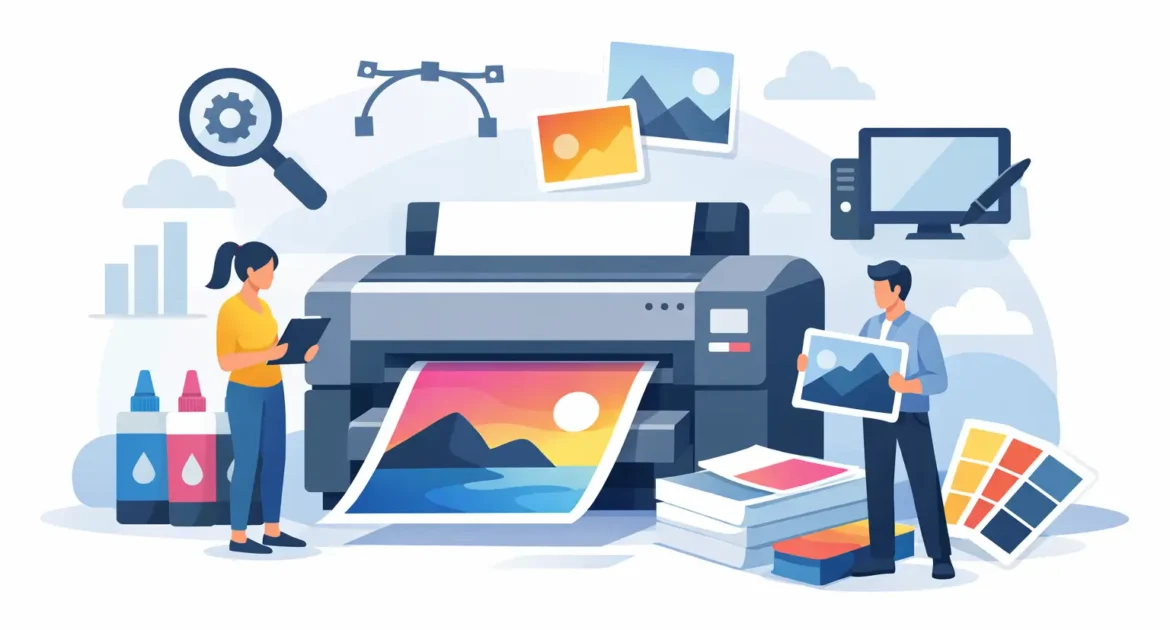
The process starts with a print-ready digital design file. That file is sent to a digital press or printer, which applies toner or ink directly onto the chosen substrate. Because there are no plates to prepare, production can begin almost immediately once the file is approved.
For a customer, that usually means fewer delays between design and delivery. If a company wants to change a phone number on a flyer, update pricing on a menu, or print a short run of event invitations, the revision can often be made without restarting an expensive setup process.
This is one reason digital printing is widely used for business cards, brochures, flyers, catalogs, stickers, labels, invitations, presentation folders, and custom packaging elements. It fits projects where timing, version control, and manageable quantities matter.
Why Businesses Choose Digital Printing Services
Most customers are not looking for a technical printing lesson. They want to know whether a print method is right for their deadline, budget, and brand standards. That is where digital printing stands out.
The biggest advantage is speed. Digital jobs can move from approved artwork to production quickly, which makes them ideal for urgent orders, launch events, retail promotions, seasonal campaigns, and last-minute restocks.
The second advantage is flexibility. Small and midsize businesses rarely need 50,000 pieces every time they print something. They may need 100 product inserts, 250 menus, or 500 promotional postcards. Digital printing supports low to medium quantities without forcing customers into oversized orders.
The third advantage is consistency for short runs. Modern digital presses produce sharp text, strong color, and a professional finish suitable for many commercial applications. For sales materials, branded handouts, packaging sleeves, or premium stationery, that quality is often more than enough.
Cost is another factor, but this is where nuance matters. Digital printing is usually more cost-effective for short runs because there are no plate setup costs. However, if the quantity becomes very large, offset printing may offer a better cost per piece. The right choice depends on the job, not just the unit price.
Digital Printing vs. Traditional Printing
When customers ask about digital printing services meaning, they are often really asking how digital printing differs from offset printing or other traditional methods.
The simplest answer is that digital printing is built for efficiency in shorter runs, while offset printing is built for economy at scale. Offset typically requires more preparation before printing starts, but it becomes highly efficient for large quantities. Digital printing removes much of that setup, making it better for faster jobs and smaller batches.
There is also a difference in how businesses use them. If a brand needs frequent updates, multiple artwork versions, personalized pieces, or low minimum quantities, digital is usually the stronger option. If the project involves very high volumes and standardized artwork, offset may be the better long-term value.
Neither method is automatically better. The smarter question is which process fits the job.
Where Digital Printing Makes the Most Sense
Digital printing is especially useful when timing and adaptability matter. A restaurant updating menu items, a retailer preparing a weekend promotion, or an event organizer producing branded materials close to the event date can benefit from the quick turnaround.
It also works well for test runs. Businesses launching new products often want to print limited packaging, labels, or inserts before committing to a larger order. That helps control waste and reduce risk. If the design needs adjustment after the first batch, changes can be made without major disruption.
For startups and growing brands, digital printing also supports a more controlled cash flow. Instead of ordering large volumes upfront, they can print what they need now and reorder as demand grows. That is a practical advantage, especially when inventory, messaging, or branding is still evolving.
Personalization is another strong use case. Variable data printing, when available, allows names, codes, addresses, or other details to change from one printed piece to the next. This is useful for invitations, direct mail, badges, labels, and promotional campaigns where one-size-fits-all print is not ideal.
What Products Can Be Printed Digitally?
A wide range of commercial and custom products can be produced with digital printing, depending on the equipment and material requirements. Common examples include business cards, flyers, brochures, catalogs, letterheads, envelopes, menu cards, stickers, tags, labels, invitation cards, and short-run packaging components.
Many businesses also use digital printing for branded promotional materials, point-of-sale graphics, event handouts, custom inserts, and marketing collateral that needs a polished appearance on a tight deadline.
The exact result depends on the stock, finish, size, and intended use. A luxury invitation requires a different treatment than a fast-turn promotional flyer. A packaging label must balance visual quality with durability. That is why print guidance matters as much as print equipment.
What Digital Printing Does Well – and Where It Has Limits
Digital printing delivers impressive speed and convenience, but it is not the answer to every job. For most day-to-day commercial printing needs, it offers an excellent balance of quality, turnaround, and affordability. That is why it is such a strong fit for businesses that need dependable output without unnecessary complexity.
Still, there are trade-offs. Certain specialty finishes, unusual materials, or very large-volume jobs may call for other production methods. Exact color matching can also vary depending on the machine, stock, and artwork setup. For brands with strict color standards across multiple campaigns, file preparation and production control become even more important.
This does not make digital printing a weaker option. It simply means professional advice matters. The best print partner will tell you when digital is the right choice and when another method will give you better value or performance.
How to Know if Digital Printing Is Right for Your Project
If your job needs to be completed quickly, requires a smaller quantity, includes possible design updates, or demands professional quality without a long production lead time, digital printing is often the right fit.
It is also a smart choice when you want to avoid overordering. Many businesses make the mistake of printing too much just to lower the unit cost, then end up with outdated materials. Digital printing helps keep quantities practical and current.
The key is to look at the full project, not just the print method. Quantity, deadline, material, finish, artwork stability, and budget all affect the best production route. A reliable print provider will assess those factors and recommend the most efficient option rather than forcing every job into the same process.
For customers who want fast, reliable printing with a professional result, this is where an experienced production partner adds real value. Doha Print supports businesses and individuals with practical guidance, broad print capability, and quality-focused execution that helps every order move faster and look sharper.
Understanding digital printing services meaning is useful, but applying it well is what saves time, controls costs, and protects your brand presentation. If your next job needs speed, flexibility, and a polished finish, digital printing is often the simplest way to get there.