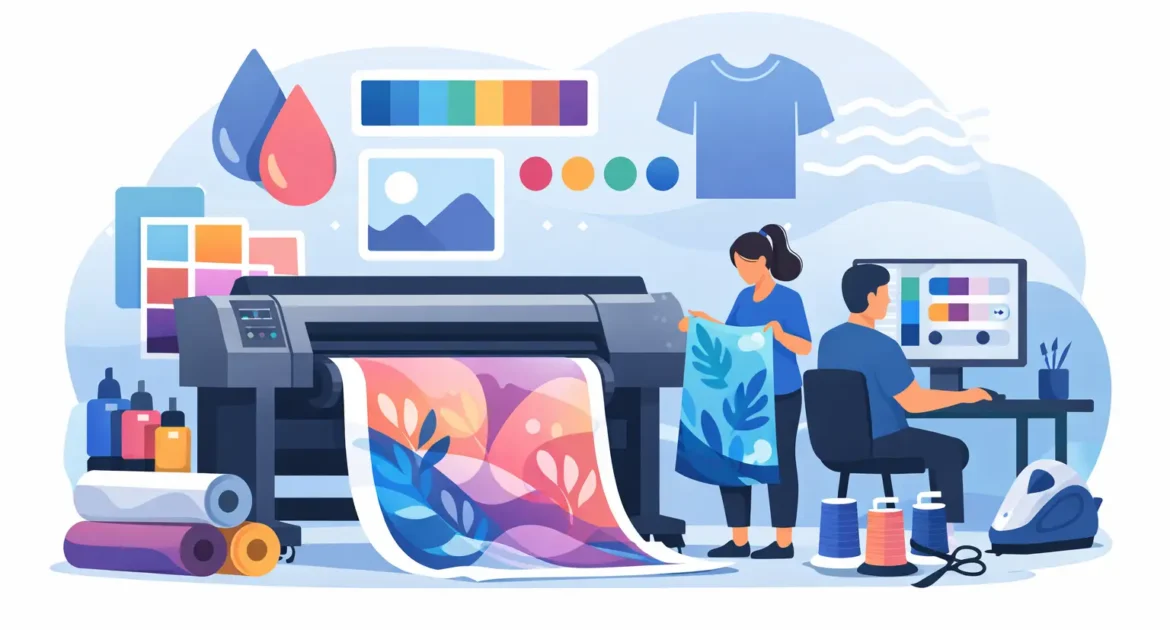
A fabric order can look simple on paper until the first sample arrives too dull, too stiff, or off-brand. That is usually the moment buyers realize fabric printing is not just about putting a logo on textile. Digital printing services on fabric need to deliver color accuracy, material compatibility, speed, and consistency – especially when the order supports a launch, event, retail display, or branded merchandise run.
For businesses, the appeal is clear. Digital fabric printing makes it possible to produce custom pieces without the setup demands of older methods, which is a major advantage when timelines are tight and quantities are modest. For startups, retailers, restaurants, and event teams, that flexibility matters because not every project needs thousands of units. Sometimes you need 20 branded table covers, 50 custom tote bags, or a short run of promotional fabric signage that still looks premium.
Why digital printing services on fabric are in demand
Traditional fabric decoration still has its place, but digital production has changed what customers can expect from short-run and custom work. Detailed artwork, gradients, multi-color branding, and photo-based designs are easier to reproduce with precision. That opens the door for more creative freedom without automatically driving up complexity.
The business benefit is just as important as the visual one. Digital printing often reduces setup time, which helps when deadlines are aggressive or when a brand needs multiple versions of the same design. A restaurant group may need seasonal printed textiles. An event organizer may need one design for a corporate conference and another for a product activation the following week. A retailer may want a limited-edition run to test demand before placing a larger order. Digital production fits those situations well.
There is also less pressure to overorder. With low minimums, brands can print what they actually need instead of tying up budget in excess stock. That can protect cash flow while keeping presentations polished.
What businesses usually print on fabric
Most customers do not come in asking for a printing method first. They come in with a business need. They need branded apparel for staff, custom flags for an exhibition booth, textile backdrops for events, pillow covers for interior branding, tote bags for promotions, or fabric elements for packaging and gifting.
This is where a capable print partner becomes valuable. The right provider helps match the artwork, fabric, finish, and print method to the final use. A soft hand feel might matter more for wearable items. Durability might matter more for repeated event use. Rich color and sharp detail might matter most for point-of-sale displays or branded décor.
In other words, the same design does not behave the same way on every textile. Cotton, polyester, canvas, blends, and performance fabrics all respond differently. Good digital printing services on fabric are not only about output quality. They are about choosing the right production path before the job even goes to print.
Where digital fabric printing works best
Digital fabric printing is especially effective when you need custom graphics, short to medium runs, and a clean, professional finish. It suits promotional products, event materials, interior textiles, branded giveaways, and custom merchandise. If your artwork includes photographic elements, fine lines, or multiple brand colors, digital methods usually offer better flexibility than more limited approaches.
That said, there are trade-offs. If you need extremely high-volume production of a simple one-color design, another method may be more economical. If the fabric is unusual or heavily textured, testing may be necessary to confirm print quality. If the product will face repeated washing, outdoor exposure, or friction, the right ink and fabric pairing become even more important.
A dependable supplier should say that clearly. The goal is not to force every job into one method. The goal is to produce the right result for the customer, on time and within budget.
What to check before ordering fabric printing
The first thing to confirm is the intended use. Is the item meant for indoor display, retail sale, daily wear, gift packaging, or one-time event branding? That single answer affects material choice, print durability requirements, and finishing options.
Next comes artwork readiness. High-resolution files, correct dimensions, and accurate brand colors reduce production risk. If a customer sends low-quality artwork and expects a premium result on fabric, the project may need design support before printing starts. That is not a delay for the sake of process. It is how expensive mistakes are avoided.
Fabric selection also deserves more attention than many buyers expect. A lightweight polyester banner behaves differently from a cotton tote bag. Satin delivers a different visual effect than canvas. Some fabrics produce brighter color. Others offer better structure or a more premium feel. The right choice depends on whether appearance, texture, durability, or budget is the priority.
Lead time matters too. A rush order may still be possible, but realistic timing depends on print volume, finishing requirements, and whether sampling is needed first. Fast turnaround is valuable, but only when quality stays under control.
Quality is more than just color
When customers talk about quality, they often mean color vibrancy. That matters, but it is only part of the equation. Fabric print quality also includes edge sharpness, registration, fabric feel, wash performance, and consistency across units. If one branded table runner looks excellent but the next five shift in tone, that is a problem for any business presenting itself professionally.
Commercial buyers should also think about finishing. Stitching, hemming, cutting accuracy, eyelets, folding, and packing all affect the final presentation. A printed textile is not complete when the ink dries. It is complete when it is ready to install, wear, distribute, or display.
That is why businesses often prefer a production partner that can manage more than the print itself. When design assistance, finishing, packaging, and delivery coordination are handled in one place, the process becomes more reliable and easier to manage.
Cost, speed, and customization – finding the right balance
Every customer wants competitive pricing, fast delivery, and premium results. In practice, the right balance depends on the job. A straightforward short run on a standard fabric may move quickly and stay cost-efficient. A custom textile with exact color targets, special finishing, and urgent delivery may require a different budget.
This is where transparent quoting matters. Buyers should know what is included, what affects price, and whether there are setup, design, sampling, or finishing charges. Hidden costs create frustration and slow decision-making. Clear pricing helps businesses compare options based on real value, not just headline numbers.
Customization should also feel practical, not complicated. If a print provider can guide customers through size, material, artwork setup, and finishing choices without creating confusion, projects move faster and outcomes improve. That is especially useful for smaller businesses and event teams that do not have an internal print specialist.
For customers managing multiple print needs at once, working with one supplier across fabric printing, signage, packaging, labels, and promotional materials can save time and reduce inconsistency. That kind of production support is often as valuable as the printed product itself.
Choosing a fabric printing partner
The best fabric print supplier is not always the one with the longest service list. It is the one that can produce reliably, communicate clearly, and recommend the right method for the application. That means listening to the brief, asking the right questions, and being honest about what will work best.
Look for signs of operational strength. Can they handle urgent jobs when needed? Do they support short runs as well as larger commercial orders? Can they advise on file setup and material selection? Do they maintain print quality across repeat jobs? Those details matter more than generic promises.
A commercially minded print partner should make your job easier. That includes helping you hit deadlines, protect brand standards, and avoid unnecessary production issues. For many businesses, that level of support is the difference between a vendor and a long-term print resource.
At Doha Print, that is exactly how fabric printing should work – practical advice, dependable quality, and fast turnaround that supports real business needs. Whether the project is promotional, decorative, or event-driven, the right fabric print solution should help your brand look organized, credible, and ready for the next opportunity.
If you are planning a fabric print project, start with the end use and work backward. The best result usually comes from a simple question asked early: what does this piece need to do once it leaves production?