A lot of buyers ask the same question right before placing an order – is digital printing expensive, or does it only look that way at first glance? The honest answer is that digital printing can be very affordable, but the value depends on what you are printing, how many pieces you need, how fast you need them, and how much customization matters to your project.
For many businesses, startups, retailers, and event organizers, digital printing is not the expensive option. It is often the smarter option. When you need shorter runs, quick turnaround, version changes, or sharp professional output without long setup time, digital printing usually delivers better overall value than people expect.
Is digital printing expensive for most print jobs?
Not usually. The idea that digital printing is expensive often comes from comparing only the price per piece on large-volume jobs. That comparison misses the full production picture.
Digital printing removes many of the setup steps that make traditional methods slower and more costly at the beginning of a job. There are no printing plates to prepare, and that matters. If you need 50 flyers, 100 invitations, 200 brochures, or a short run of branded packaging inserts, digital printing can be more economical because you are not paying for heavy setup before the first sheet is produced.
This is why digital printing is commonly the best fit for small and midsize orders. It gives you a clean result, faster production, and lower entry cost. For companies that need materials on demand instead of ordering massive stock in advance, that flexibility can save real money.
What actually affects the cost?
The price of digital printing is shaped by several practical factors, not just the printing method itself. Quantity is one of the biggest. Digital printing is strongest on low to medium runs, while offset printing often becomes more cost-efficient only when volumes are very high.
Material choice also changes the price quickly. Standard paper stock is budget-friendly, but premium textured stock, heavier card, specialty labels, adhesive materials, or packaging boards will increase the total. Finishing options matter too. Lamination, foil details, spot effects, folding, binding, die-cutting, and custom sizing all add production steps and cost.
Turnaround time is another major factor. If you need same-day service or an urgent production slot, the price may be higher than a standard schedule. That does not mean the print method is expensive by default. It means speed has value, especially when a launch, event, or campaign deadline cannot move.
Design readiness can also affect your budget. A print-ready file helps keep costs down. If artwork needs correction, resizing, or layout adjustments, that service may be added to the order. Still, many customers prefer that support because it prevents waste, delays, and reprints.
When digital printing is the better value
If your order is small, personalized, time-sensitive, or likely to change, digital printing is usually the more cost-effective route.
Take restaurant menus as an example. If pricing or items change often, printing a huge offset batch can create waste. Digital printing lets you produce exactly what you need now, then update later without throwing away old stock. The same logic applies to event materials, seasonal promotions, retail signage, product tags, and business stationery for growing companies.
It is also a strong option when customization matters. Variable data printing allows names, numbers, codes, or location-specific content to change from one piece to the next. Doing that efficiently with traditional methods is far more complicated. If personalization is part of your campaign, digital printing often saves both time and labor.
For startups, this matters even more. Ordering manageable quantities helps control cash flow, reduces storage needs, and keeps branding flexible while the business is still evolving.
When digital printing can feel expensive
There are cases where digital printing may not be the lowest-cost choice. If you are printing thousands of identical pieces with no content changes, offset printing may offer a lower unit price after setup is spread across the full run.
That is where buyers sometimes get confused. They compare a very large offset run against a smaller digital order and assume digital is overpriced. In reality, each method is built for different production needs.
Digital printing can also seem expensive when the job includes premium finishes, specialty substrates, or complex post-production. But in those situations, the added cost usually comes from the materials and finishing, not from digital printing alone.
A luxury invitation printed digitally on premium stock with lamination and custom trimming will cost more than a plain flyer on standard paper. That is not a problem with the process. It is a reflection of the product specification.
Digital vs. offset – the cost question in plain terms
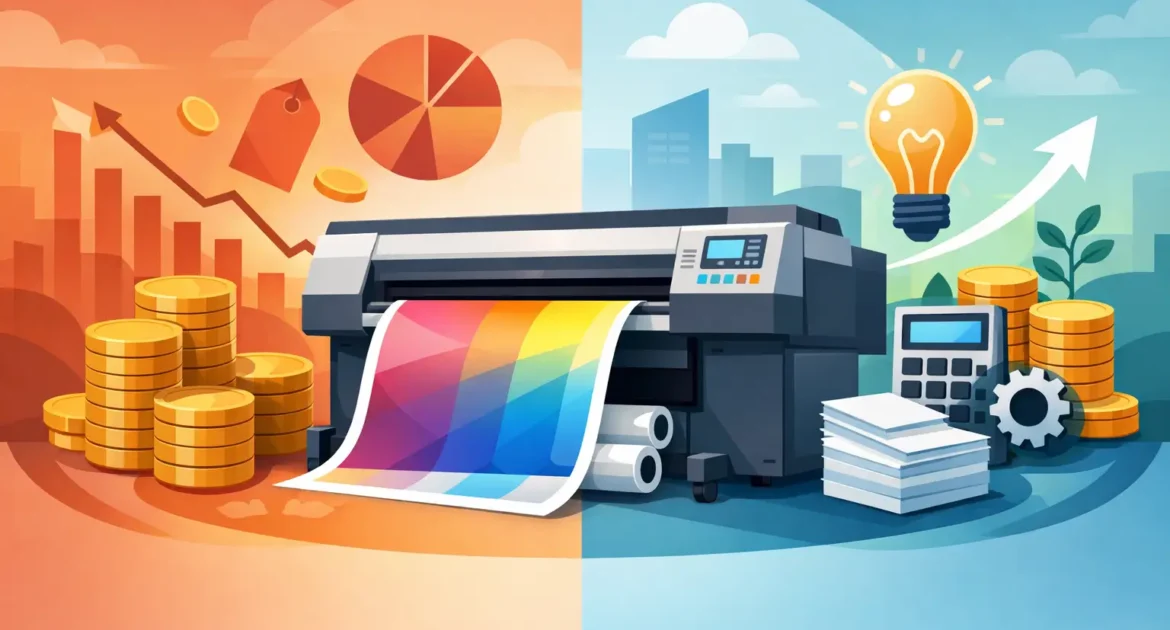
If you need a simple way to think about it, digital printing usually wins on flexibility, speed, and lower upfront cost. Offset usually wins on very high-volume efficiency.
That means digital printing is often ideal for business cards, flyers, brochures, catalogs in smaller runs, custom labels, presentation folders, invitations, short-run packaging, promotional inserts, and branded collateral that needs to be ready fast. Offset makes more sense when quantities are large enough to justify setup and when the design will stay exactly the same across the entire run.
For many commercial buyers, the right question is not just is digital printing expensive. The better question is which method gives the best return for this specific order.
That shift in thinking helps avoid false savings. A lower unit cost is not always better if it forces you to overorder, delay updates, or hold excess inventory you may never use.
Hidden costs buyers should pay attention to
The cheapest quote is not always the lowest final cost. This is especially true in printing.
If a supplier gives a low base price but the result is inconsistent color, delayed delivery, poor finishing, or file errors that force a reprint, your real cost goes up quickly. Time lost, rushed corrections, and damaged brand presentation can be far more expensive than a slightly higher but reliable production price.
This is why experienced buyers look at the full job value. They want predictable quality, clear pricing, practical support, and a turnaround that matches business needs. That is where a dependable print partner makes a difference.
A good digital print job should save effort, not create more of it.
How to keep digital printing affordable
There are several simple ways to control costs without lowering your standards.
Start by ordering the right quantity instead of guessing high. One of the biggest advantages of digital printing is that you do not need to commit to oversized runs. Print what you need now, then reorder as needed.
Choose materials based on purpose. Premium stock is worth it for presentation pieces, invitations, or luxury packaging, but standard stock may be the better choice for internal handouts or short-term promotions.
Keep your file clean and print-ready. Correct dimensions, proper resolution, and accurate bleed settings help avoid production issues. If your project needs finishing, ask which options create the look you want without adding unnecessary steps.
It also helps to plan ahead when possible. Standard turnaround is usually more cost-efficient than urgent service. When deadlines are tight, digital printing is still a strong solution, but a little scheduling room can improve pricing.
So, is digital printing expensive or not?
For most everyday business printing, the answer is no. Digital printing is often one of the most practical and budget-conscious choices available, especially for short runs, fast jobs, custom work, and materials that need updates.
It becomes less cost-effective only when the order is very large and identical from start to finish, or when the project includes premium materials and specialty finishing that naturally raise the price. Even then, the real decision comes down to value, not just the number on the quote.
At Doha Print, this is exactly how we approach pricing – matching the print method to the job so customers get speed, quality, and cost control without unnecessary complexity. That matters whether you are ordering business cards, menus, labels, packaging inserts, event materials, or branded promotional pieces.
If you are weighing price alone, digital printing can seem like a simple yes-or-no question. In practice, it is a business decision about quantity, timing, flexibility, and results. The most cost-effective print job is the one that fits what you actually need today and still makes your brand look ready for tomorrow.