A customer leaves your store carrying more than a purchase. They carry your logo through a mall, office, hotel lobby, or neighborhood street. That is why paper bag printing deserves the same attention as your storefront, menu, product label, or business card. A well-made bag makes a brand look established. A weak one can make even a great product feel like an afterthought.
For restaurants, retail stores, bakeries, boutiques, event teams, and growing startups, custom paper bags are practical packaging with real marketing value. They protect the order, support the customer experience, and create repeated brand visibility long after checkout. The best results come from making a few smart decisions before production starts: bag style, paper stock, print method, artwork, and finishing details all affect the final impression.
Why Paper Bag Printing Matters for Your Business
Paper bags work because they are useful. Unlike a flyer that may be discarded quickly, a bag has a job to do. Customers use it to carry food, clothing, gifts, documents, or event materials. If the quality is good and the design is appealing, they may reuse it, extending the life of your branding without requiring another advertising spend.
For a restaurant, a printed takeaway bag can make delivery and pickup orders feel more considered. For a retailer, it creates a more polished moment at the counter. For event organizers, it keeps registration packs, sponsor items, and welcome materials organized while making the event identity visible from every angle.
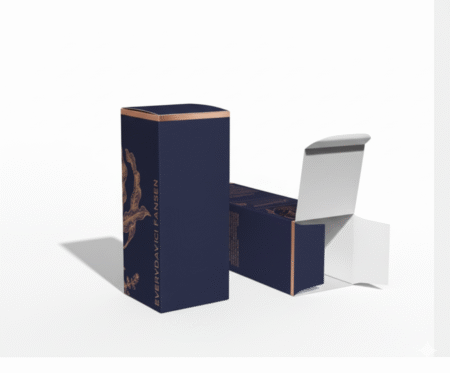
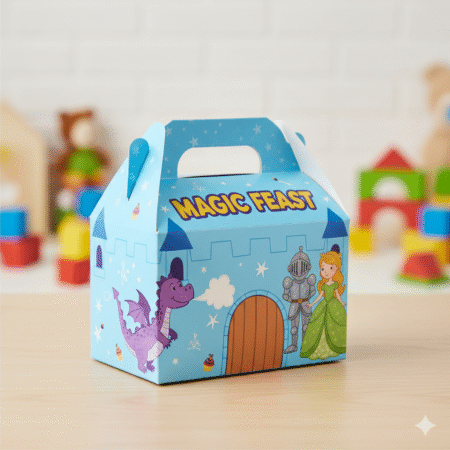
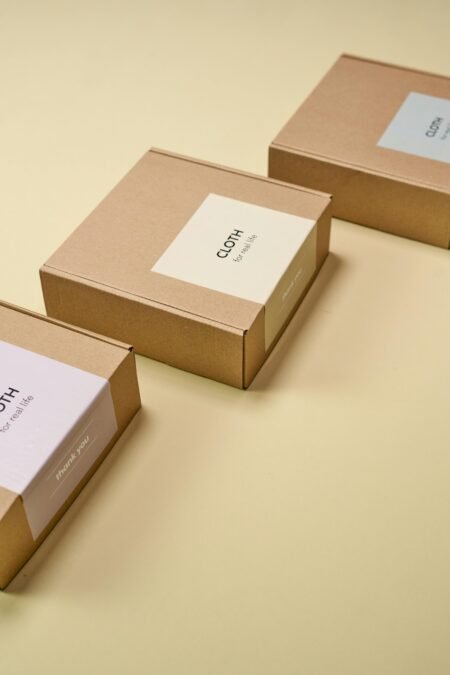
Consistency is the real advantage. When your bag color, logo, typeface, and messaging match your boxes, labels, menus, signage, and promotional materials, customers recognize your business faster. That recognition helps smaller brands look more credible and gives established brands a cleaner, more professional customer experience.
Choosing the Right Paper Bag for the Job
The right bag depends on what customers will carry, how your brand is positioned, and how the bags will be distributed. A lightweight boutique item does not need the same construction as a large restaurant order or a premium gift set.
Start with size and carrying capacity
Choose dimensions around your actual products, not just the lowest unit price. A bag that is too large can make the contents look lost and may require unnecessary paper. One that is too tight is frustrating to pack and can tear under pressure. Measure your most common products, then allow room for tissue paper, containers, inserts, or protective packaging where needed.
Handle style also matters. Twisted paper handles are a reliable choice for many retail and food applications. Flat handles suit lightweight takeaway items and can be cost-effective for high-volume orders. Rope handles create a more premium look for gift bags, apparel, cosmetics, and higher-value retail products. Handle selection should reflect both weight and customer perception.
Match the paper stock to your brand
Kraft paper is popular for its natural appearance, durability, and broad appeal across food, retail, and eco-conscious brands. White paper provides a clean base for bright colors and detailed branding. Coated or laminated options can create a more upscale presentation, especially for luxury retail, gift packaging, and corporate events.
There is a trade-off between appearance, budget, and practical use. Heavy paper feels premium, but it can increase cost and may not be necessary for simple daily takeaway bags. Uncoated kraft is approachable and economical, but fine artwork and very light colors may reproduce differently than they do on a smooth white surface. Reviewing the intended use early prevents costly surprises later.
Paper Bag Printing Methods and When to Use Them
Your print method should be selected based on order quantity, artwork complexity, color requirements, and deadline. The goal is not to choose the most technical option. It is to choose the option that delivers the quality you need at a sensible cost.
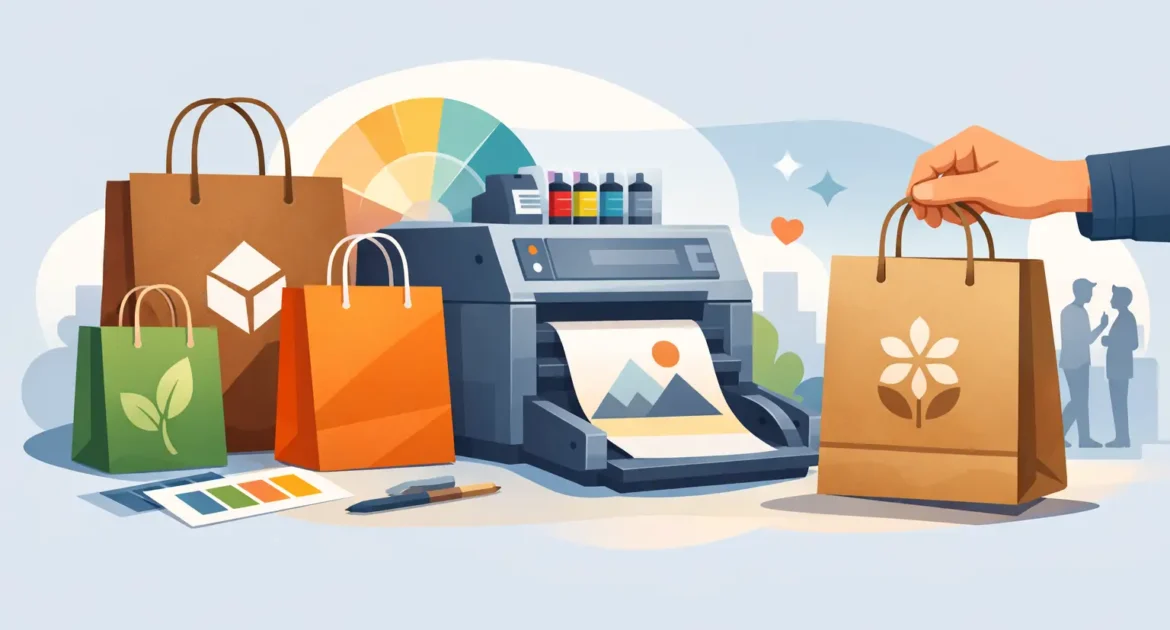
Digital printing is well suited to short runs, seasonal launches, test campaigns, and businesses that need custom bags without committing to a large minimum order. It is also useful when artwork includes multiple colors, photographs, or variable details. If you are opening a pop-up store, hosting a limited event, or trying a new packaging direction, digital production can provide flexibility and speed.
Offset printing is often the stronger choice for larger volumes that require consistent color and efficient per-unit pricing. It is ideal when a business uses the same branded bag regularly across multiple locations or over a long campaign period. Setup takes more planning than a short digital run, so it works best when quantities justify the production process.
Screen printing can be a practical option for bold, simple designs with limited colors, particularly on kraft paper or bags with a strong handmade, artisanal look. A one-color logo printed with care can be more memorable than a crowded design with too many competing elements.
For urgent requirements, production timing should be discussed before finalizing the bag specification. Same-day or fast-turnaround options may be possible for certain products and print setups, but custom sizes, special finishes, and high-volume orders generally need more lead time. A dependable print partner will be clear about what can be delivered quickly without compromising quality.
Design a Bag Customers Want to Carry
The most effective bag design is rarely the busiest one. It should be easy to recognize from several feet away, readable in a quick glance, and still attractive when held, folded, or photographed.
Put your logo where it will remain visible when the bag is in use. The front panel is the natural focal point, but side panels can add a website, social handle, short tagline, or store details without cluttering the main design. Keep essential text large enough to read. Fine lines, tiny lettering, and low-contrast colors often lose impact once printed on textured paper.
Color choices should be made with the bag material in mind. A rich black logo on natural kraft gives a confident, clean look. White bags can support more vibrant brand palettes and finer color transitions. If exact brand color matching is critical, provide your color references and ask for guidance on how the chosen paper stock will affect the result.
Before approving artwork, check these practical details:
- Confirm the logo is supplied in a high-resolution or vector format.
- Keep key text and graphics away from folds, handle holes, and bag edges.
- Review spelling, phone numbers, social handles, and promotional messages carefully.
- Ask whether the design includes the correct bleed and safe-area allowances for the bag template.
These checks are simple, but they save time, prevent reprints, and keep a rush order from becoming an avoidable delay.
Add Value With Thoughtful Finishing Details
Finishes should support the purpose of the bag, not overwhelm it. Matte lamination can give retail packaging a refined, modern feel. Gloss lamination can make colors appear more vivid and works well when a bold visual effect suits the brand. Spot UV can highlight a logo or specific design element, while foil details can add a premium touch for gifting, beauty, jewelry, and special launches.
A finish adds cost, so it should be used where customers will notice it. For a high-volume food bag, strong paper, reliable handles, and a clean one- or two-color print may create the best return. For a premium retail purchase or corporate gift bag, tactile details and elevated finishing can reinforce the value of what is inside.
Do not overlook the inside of the bag. Most bags only need exterior printing, but an inside message, thank-you note, care instruction, or campaign phrase can create a memorable reveal. This is especially effective for gift packaging and direct-to-customer orders where the unboxing moment matters.
Plan Your Order Around Real Business Needs
Ordering paper bags is easier when you begin with usage rather than quantity alone. Estimate how many bags you use per week or month, account for busy periods, and consider whether you need separate sizes for different products. Ordering too few can lead to rushed reorders. Ordering far too many can tie up storage space and cash, especially if your branding, menu, or product lineup is likely to change.
For new businesses, a smaller first run may be the sensible choice. It lets you test the size, packing process, durability, and customer response before committing to a large volume. For established businesses with stable demand, a larger run can improve unit cost and help maintain a consistent supply.
It also helps to coordinate your bags with other printed materials at the same time. Labels, stickers, tissue paper, menu inserts, thank-you cards, and promotional vouchers can all carry a consistent visual identity. Working with one production partner reduces the risk of mismatched colors and simplifies the approval process. Doha Print can support this kind of coordinated print planning, from branded packaging to the customer-facing materials that go inside it.
A paper bag is a small part of the transaction, but it can leave a large impression. Choose a format that fits the product, use artwork that communicates clearly, and give production enough planning time to get the details right. When customers leave carrying a bag that looks as good as what they bought, your brand keeps working long after the sale.